Battery & Electrical in Red Bank, MS

Battery and Electrical System Overview in Red Bank, MS
Battery and electrical services involve the inspection, testing, and repair of a vehicle’s power storage and distribution systems. At Mejia Mechanic in Red Bank, MS, electrical system work focuses on ensuring that the battery, alternator, starter, and wiring systems operate together to supply consistent electrical power to all vehicle components.
A vehicle’s electrical system is responsible for starting the engine, powering onboard electronics, and maintaining voltage stability while the engine is running. The battery stores electrical energy, the alternator generates power during engine operation, and the starter motor initiates engine combustion. These components must work in coordination to ensure reliable vehicle operation.
As electrical systems age, components can weaken due to heat, vibration, corrosion, and continuous charging cycles. When one part of the system begins to fail, it can affect overall electrical performance and lead to starting issues, dim lighting, or intermittent power loss.
Battery Testing and Power Storage Evaluation
The battery is the primary source of electrical energy used to start the vehicle and support electronic systems when the engine is not running. Proper battery condition is essential for reliable starting performance.
Battery Voltage Measurement
Battery voltage is measured to determine its current charge level. A fully charged battery must maintain stable voltage under both resting and load conditions.
Load Testing and Capacity Check
A load test evaluates how well the battery performs under electrical demand. This test helps identify weak cells or reduced storage capacity that may not be visible during standard voltage checks.
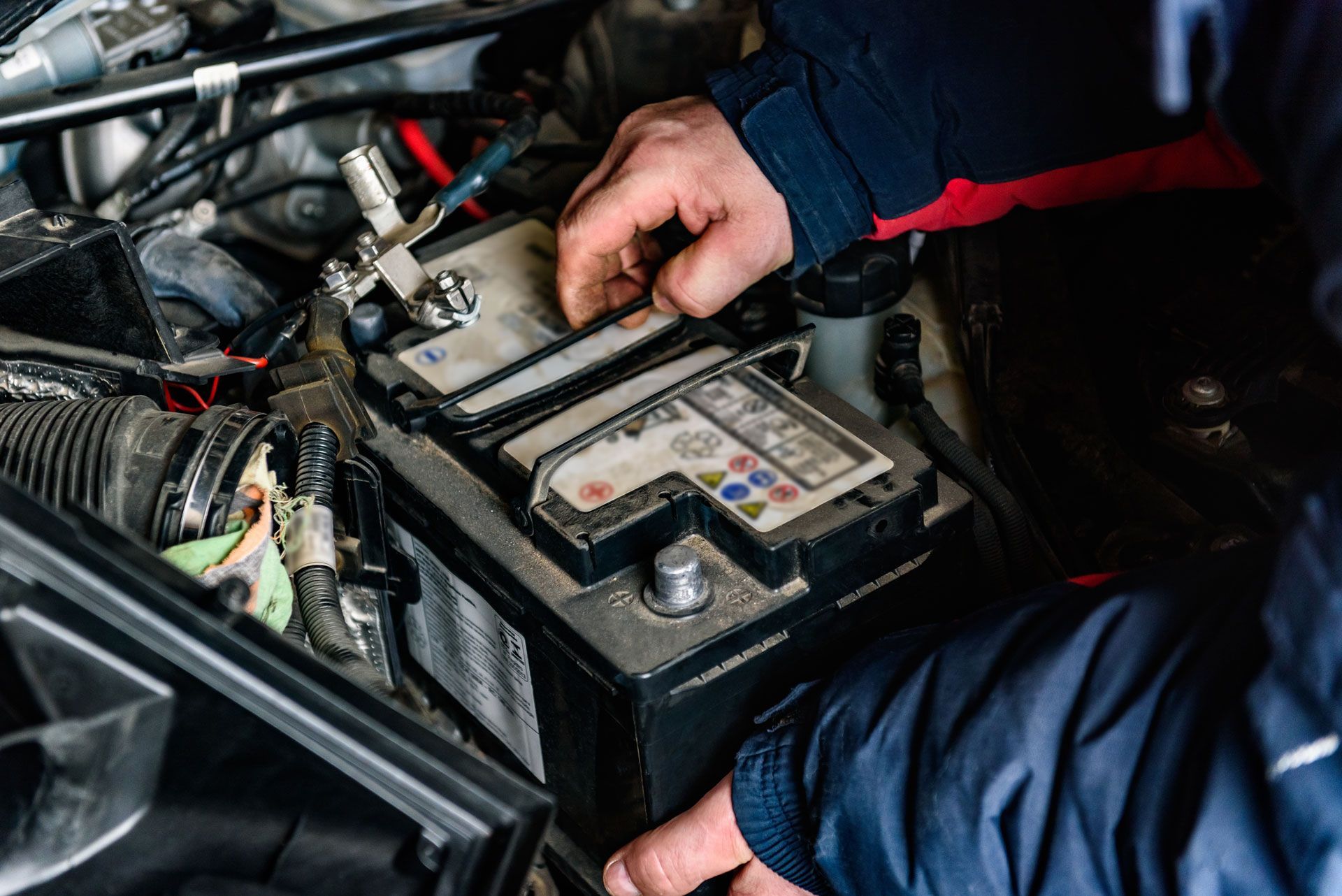
Terminal and Connection Inspection
Battery terminals and cable connections are inspected for corrosion, looseness, or buildup that can restrict electrical flow. Poor connections can result in starting difficulties or inconsistent power delivery.
Battery testing ensures that the vehicle has sufficient electrical storage capacity to support starting and system operation.
Alternator Function and Charging System Operation
The alternator is responsible for generating electrical power while the engine is running and recharging the battery. It plays a critical role in maintaining system voltage stability.
Charging Output Measurement
Alternator output is measured to ensure it produces sufficient voltage to power electrical systems and recharge the battery during operation.
Voltage Regulation Assessment
The voltage regulator controls the amount of electrical output delivered by the alternator. Proper regulation prevents overcharging or undercharging of the battery.
Belt and Drive System Inspection
The alternator is driven by a belt connected to the engine. Belt condition and tension are inspected to ensure proper alternator operation without slippage or noise.
A properly functioning alternator ensures continuous electrical supply and maintains battery charge during vehicle operation.
Starter System Operation and Engine Cranking
The starter system is responsible for turning the engine over during ignition. It draws electrical power from the battery to engage the engine’s flywheel and initiate combustion.
Starter Motor Function Testing
The starter motor is tested to ensure it engages properly and delivers sufficient torque to crank the engine. Weak or failing starters can result in slow or no-start conditions.
Solenoid Operation Check
The starter solenoid controls the electrical connection between the battery and starter motor. Faulty solenoids may prevent the starter from activating.
Electrical Current Draw Analysis
Excessive current draw during starting can indicate internal starter wear or mechanical resistance within the system.
Proper starter function ensures reliable engine activation under all operating conditions.
Vehicle Wiring and Electrical Circuit Inspection
The wiring system distributes electrical power throughout the vehicle, connecting sensors, lights, control modules, and accessories. Damage or wear in wiring can lead to inconsistent electrical performance.
Wiring Harness Condition Check
Wiring harnesses are inspected for fraying, breaks, or heat damage. Damaged wiring can interrupt power flow or cause system malfunctions.
Ground Connection Testing
Ground connections are essential for completing electrical circuits. Poor grounding can result in flickering lights, sensor errors, or electrical instability.
Circuit Continuity Evaluation
Electrical circuits are tested for continuity to ensure uninterrupted current flow between components. Faulty circuits are traced to identify breaks or resistance issues.
Wiring inspection ensures that electrical signals and power are properly distributed throughout the vehicle.
Electrical Component Diagnostics and System Communication
Modern vehicles rely heavily on electronic control modules and sensors that communicate across multiple systems. Electrical diagnostics help identify communication errors or component failures.
Sensor Function Evaluation
Sensors monitor engine performance, emissions, and vehicle systems. Faulty sensors can send incorrect data to control modules, affecting performance.
Control Module Communication Check
Electronic control units are tested to ensure proper communication between engine, transmission, and body control systems.
Fault Code Analysis
Diagnostic systems store electrical fault codes when irregular conditions are detected. These codes help identify affected circuits or components within the electrical system.
Electrical diagnostics ensure that all electronic systems operate in coordination without communication errors.
Electrical System Repair and Component Restoration
Electrical repair involves correcting faults identified during diagnostic testing. Repairs may include replacing faulty batteries, repairing wiring, servicing alternators, or restoring starter system function.
Once repairs are completed, the system is retested to confirm proper voltage output, circuit continuity, and component operation. Electrical stability is verified under both engine-off and engine-running conditions to ensure consistent performance.
Final system checks confirm that all electrical components are functioning correctly and that no irregular power fluctuations or communication issues remain within the system.
Battery and Electrical Maintenance Intervals
Battery and electrical systems operate continuously under varying loads, making regular inspection important for maintaining reliability. Environmental conditions, driving habits, and vehicle age can all influence system performance over time.
Batteries gradually lose capacity due to repeated charge and discharge cycles. Alternators and starters also experience mechanical and electrical wear that can affect efficiency. Wiring and connections may degrade due to heat exposure and vibration.
Routine electrical system maintenance helps ensure that power delivery remains stable and that all components function within proper operating ranges. Consistent monitoring supports reliable starting performance, steady electrical output, and overall system stability during everyday driving in Red Bank, MS.