Oil Changes & Fluid Services in Red Bank, MS
Introduction to Oil Changes & Fluid Maintenance in Red Bank, MS
Oil changes and fluid maintenance are essential components of vehicle upkeep that directly affect engine performance, efficiency, and long-term reliability. At Mejia Mechanic in Red Bank, MS, oil change and fluid service work involves more than just replacing engine oil. It includes inspecting, draining, and replenishing essential automotive fluids that keep critical systems functioning properly under daily driving conditions.
Engine oil acts as a lubricant for internal engine components, reducing friction and heat buildup during operation. Over time, oil degrades due to exposure to high temperatures, contaminants, and combustion byproducts. When oil loses its effectiveness, it can no longer properly protect engine parts, which increases wear and reduces efficiency. Fluid services ensure that all related systems, including transmission, coolant, brake, and power steering, remain within safe operating conditions.
Routine oil and fluid service in Red Bank, MS helps maintain consistent engine performance and supports the longevity of vehicle systems by ensuring proper lubrication and temperature regulation across all key components.
Engine Oil Change Service Overview
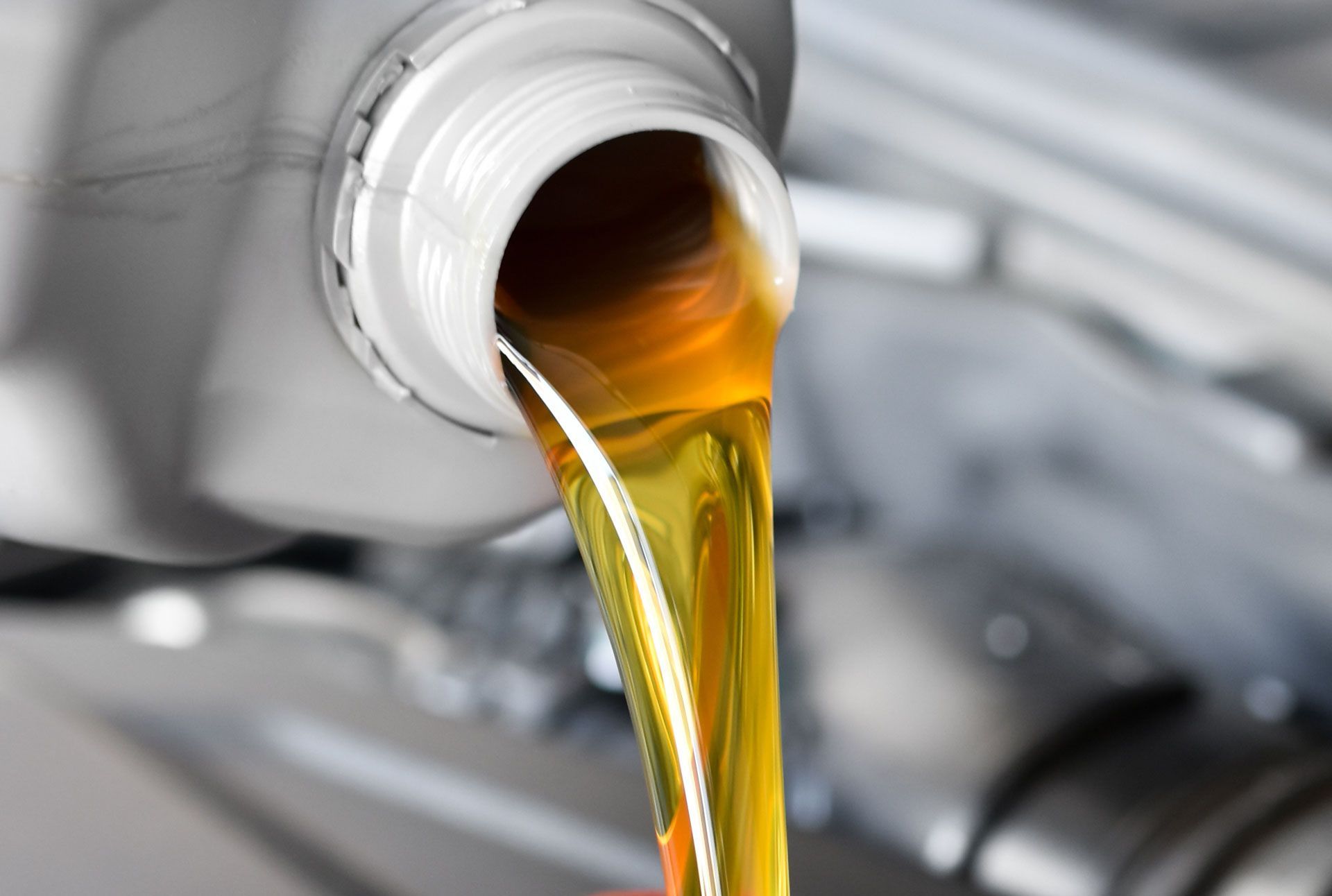
Oil change service is a structured maintenance process that involves removing used engine oil, replacing the oil filter, and refilling the engine with the appropriate type and grade of fresh oil. This process helps remove contaminants that accumulate during engine operation and restores the oil’s protective properties.
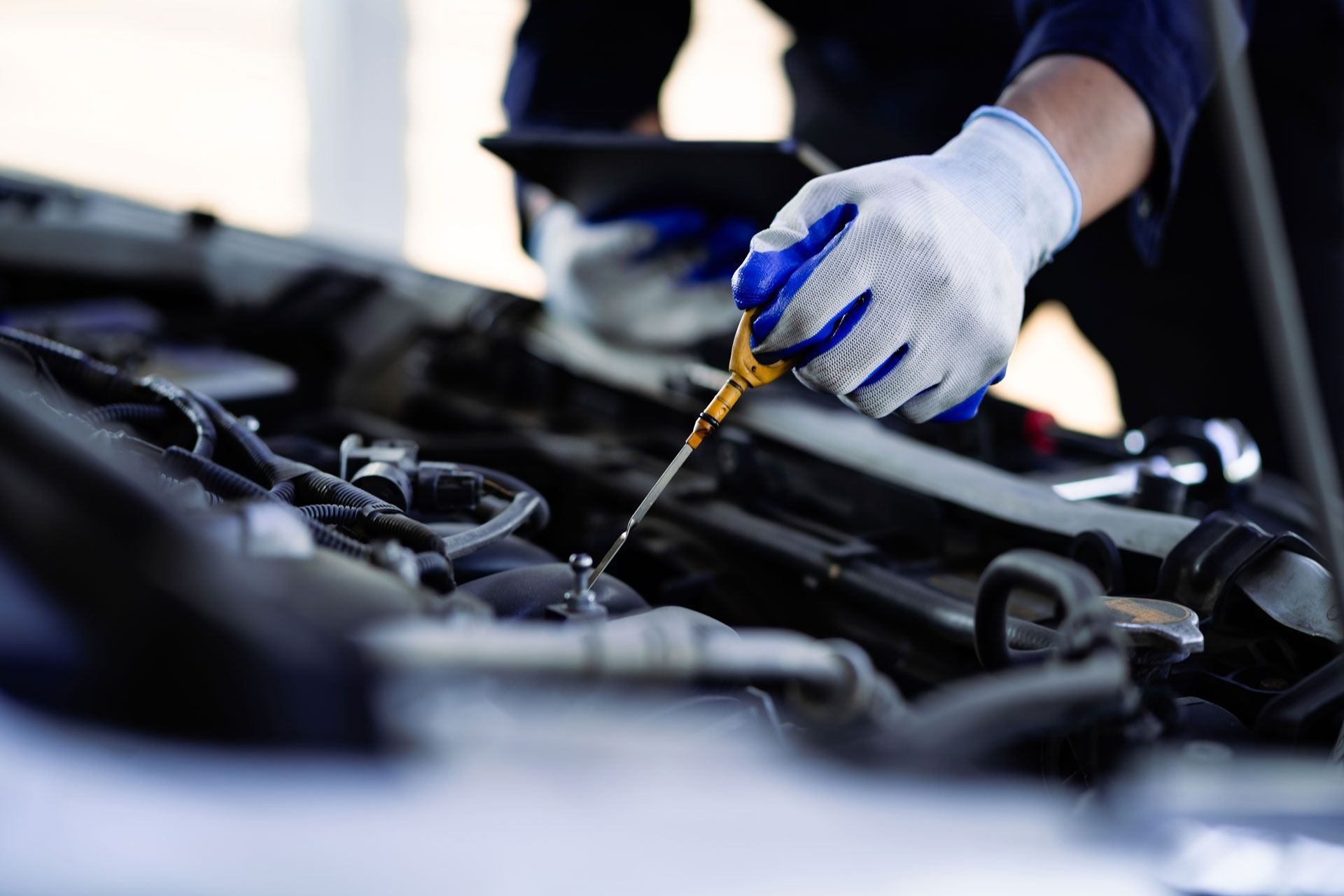
During an oil change, the condition of the drained oil is often evaluated for signs of abnormal engine wear, such as metal particles, excessive sludge, or unusual discoloration. The oil filter is also replaced to ensure that new oil remains clean as it circulates through the engine.
Proper oil service is essential for maintaining internal engine cleanliness, reducing friction between moving parts, and ensuring stable engine temperatures during operation. In vehicles operating in varied driving conditions around Red Bank, MS, oil quality plays a key role in maintaining consistent engine performance.
Engine Oil Types and Application Standards
Different vehicles require specific oil types based on engine design, mileage, and operating conditions. Selecting the correct oil type ensures proper lubrication and meets manufacturer specifications.
Conventional Oil
Conventional oil is refined from crude petroleum and is typically used in older engines or vehicles with standard performance requirements. It provides basic lubrication but may require more frequent replacement intervals.
Synthetic Blend Oil
Synthetic blend oil combines conventional oil with synthetic compounds to improve performance under higher temperatures and more demanding driving conditions. It offers better protection against engine wear compared to conventional oil alone.
Full Synthetic Oil
Full synthetic oil is engineered for high performance and enhanced protection. It maintains stability under extreme temperatures, resists breakdown over longer intervals, and provides improved engine cleanliness. Modern engines often specify synthetic oil due to its consistency and durability.
Each oil type serves a specific purpose depending on engine design and manufacturer requirements. Using the correct specification ensures proper lubrication, fuel efficiency, and engine protection.
Automotive Fluid Inspection and Maintenance
Oil change service is often performed alongside inspection and maintenance of other vehicle fluids. These fluids support various systems that are essential for safe and reliable operation.
Engine Coolant
Engine coolant regulates engine temperature by transferring heat away from internal components. It prevents overheating and protects against freezing conditions. Coolant levels and condition are checked to ensure proper thermal regulation.
Transmission Fluid
Transmission fluid lubricates gears and hydraulic components inside the transmission system. It helps maintain smooth shifting and reduces internal wear. Fluid condition and level are evaluated to prevent transmission performance issues.
Brake Fluid
Brake fluid transfers force from the brake pedal to the braking system. It must maintain consistent hydraulic pressure to ensure reliable stopping performance. Moisture contamination can reduce effectiveness and is monitored during service.
Power Steering Fluid
Power steering fluid supports steering system operation by reducing resistance and enabling smoother steering response. Low or contaminated fluid can affect steering performance and system longevity.
Routine inspection of these fluids during oil change service helps maintain overall vehicle system balance and operational consistency.
Oil Change Procedure and Service Workflow
Oil change and fluid service follow a structured workflow designed to ensure complete removal of old oil and accurate replacement with new lubricants and fluids.
The process begins with engine warm-up to allow oil to circulate and drain more effectively. Once the vehicle is safely positioned, the drain plug is removed to allow used oil to exit the engine. After draining is complete, the oil filter is replaced to prevent contamination of fresh oil.
Fresh oil is then added according to manufacturer specifications. Fluid levels are checked across all major systems, including coolant, brake, transmission, and power steering systems. Each fluid is evaluated for both level and condition to ensure proper system operation.
Final inspection ensures that no leaks are present and that all components are properly secured. The engine is then started to circulate new oil throughout the system, allowing pressure and levels to stabilize.
Maintenance Intervals and Engine Longevity Considerations
Oil change intervals vary depending on engine type, oil formulation, and driving conditions. Vehicles that operate in stop-and-go traffic, high temperatures, or dusty environments may require more frequent oil changes due to increased engine stress and contamination levels.
Modern engines using synthetic oil can often operate longer between changes, but regular monitoring of oil condition remains essential. Oil degradation can occur due to oxidation, fuel dilution, and thermal breakdown, all of which affect lubrication quality.
Consistent oil and fluid maintenance supports engine longevity by reducing internal wear, preventing overheating, and maintaining optimal system performance. Proper scheduling of oil changes and fluid inspections ensures that vehicle systems continue to operate within safe and efficient parameters over time.