Heating & AC Repair in Red Bank, MS
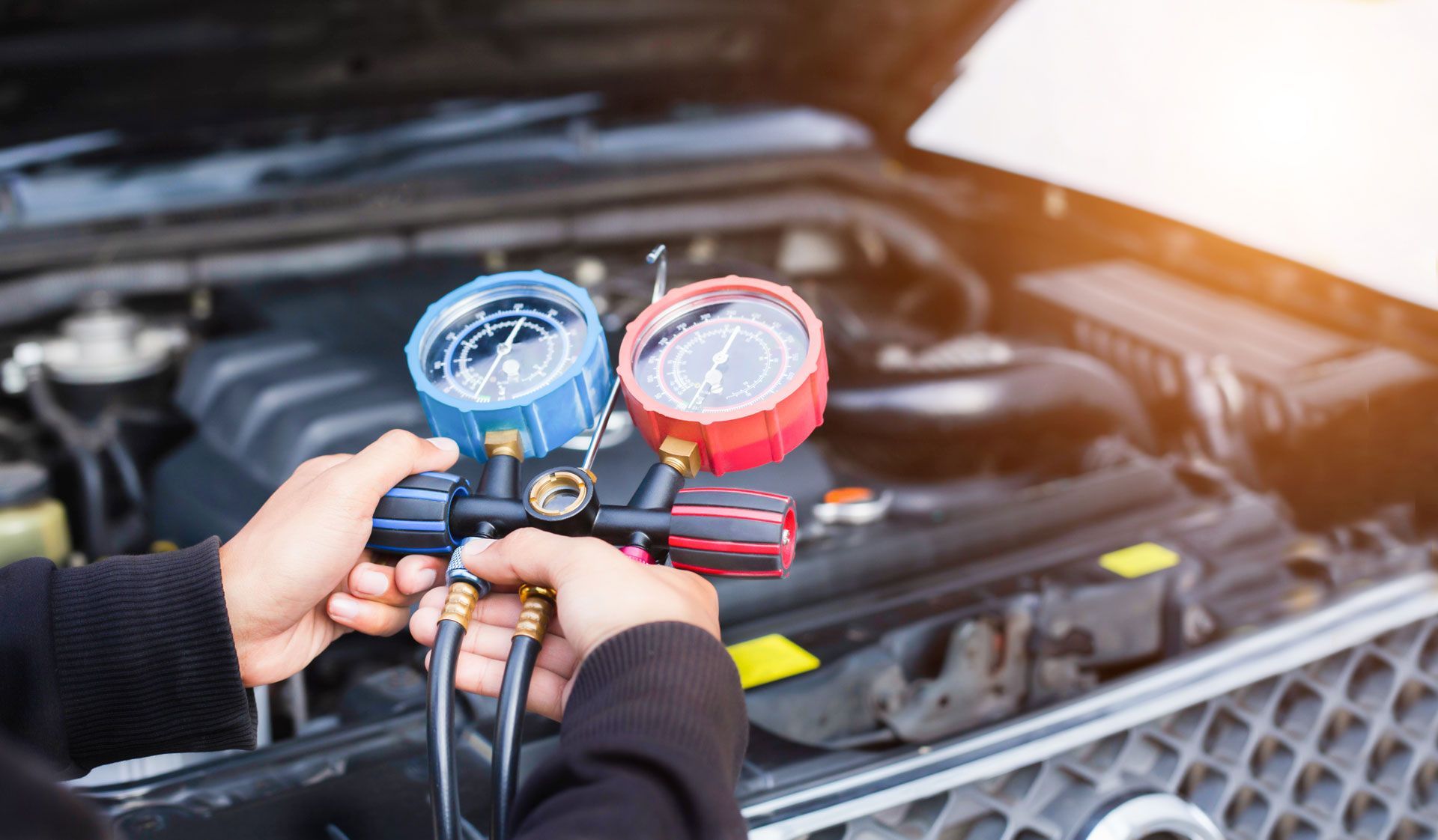
Heating and Air Conditioning System Overview in Red Bank, MS
Heating and air conditioning (AC) repair services involve the inspection, diagnosis, and restoration of a vehicle’s climate control system. At Mejia Mechanic in Red Bank, MS, HVAC system work focuses on maintaining proper cabin temperature regulation by ensuring that heating and cooling components function correctly and work together as a complete system.
A vehicle’s HVAC system regulates interior comfort by controlling air temperature, humidity, and airflow. The air conditioning system removes heat and moisture from the cabin using refrigerant and compressor operation, while the heating system uses engine heat transferred through coolant to warm the interior.
Over time, HVAC systems can develop issues due to refrigerant loss, compressor wear, electrical faults, or blocked airflow components. When these issues occur, the system may produce weak airflow, inconsistent temperatures, or complete loss of heating or cooling performance.
Air Conditioning System Function and Cooling Process
The air conditioning system is responsible for cooling and dehumidifying air entering the vehicle cabin. It relies on a closed-loop refrigerant system that transfers heat from inside the vehicle to the outside environment.
Compressor Operation and Pressure Regulation
The AC compressor circulates refrigerant through the system by compressing low-pressure gas into a high-pressure state. This process enables heat transfer and cooling efficiency. Compressor wear or failure can result in loss of cooling performance.
Condenser Heat Dissipation
The condenser releases heat absorbed from the cabin into the outside air. Airflow across the condenser is essential for maintaining proper system temperature balance and refrigerant efficiency.
Evaporator Cooling Function
The evaporator absorbs heat from cabin air as refrigerant passes through it, producing cooled air that is distributed inside the vehicle. Blockages or contamination can reduce cooling effectiveness.
The air conditioning process depends on balanced pressure and proper refrigerant flow to maintain consistent cooling performance.
Heating System Operation and Cabin Warmth Regulation
The heating system uses engine coolant heat to warm the interior cabin. It operates independently of the AC system but shares airflow components for distribution.
Heater Core Function
The heater core acts as a small radiator that transfers engine heat into the air passing through it. Coolant flows through the heater core, warming incoming air before it enters the cabin.
Coolant Flow and Temperature Control
Engine coolant must circulate properly to maintain heating performance. Restricted flow or low coolant levels can result in weak or inconsistent heat output.
Blend Door Operation
Blend doors regulate the mix of hot and cold air entering the cabin. Faulty actuators or mechanical issues can prevent proper temperature control inside the vehicle.
A properly functioning heating system ensures consistent cabin warmth, especially in colder conditions or during defrost operation.
Refrigerant System Inspection and Pressure Balance
The refrigerant system is a sealed circuit that enables heat transfer within the air conditioning system. Proper refrigerant levels and pressure balance are essential for efficient operation.
Refrigerant Level Assessment
Refrigerant levels are measured to ensure the system contains the correct amount needed for effective cooling. Low refrigerant levels often indicate leaks or system loss.
Leak Detection and System Integrity Check
The system is inspected for leaks in hoses, seals, and connections. Even small leaks can significantly reduce cooling performance over time.
Pressure Performance Testing
High and low-side pressures are evaluated to ensure proper system balance. Pressure irregularities may indicate compressor issues, blockages, or refrigerant contamination.
Maintaining correct refrigerant levels ensures efficient heat transfer and consistent air conditioning performance.
HVAC Electrical Controls and System Operation
Modern heating and AC systems rely on electronic controls, sensors, and actuators to regulate temperature and airflow inside the vehicle.
Climate Control Module Function
The control module manages temperature settings, fan speed, and airflow direction. Malfunctions in this module can cause inconsistent system behavior.
Blower Motor Operation
The blower motor controls airflow through the HVAC system. Weak or failing motors can reduce cabin air circulation and comfort levels.
Sensor Feedback Systems
Temperature and pressure sensors provide real-time data to regulate system operation. Faulty sensors may cause incorrect temperature adjustments or system shutdowns.
Electrical components ensure that HVAC systems respond accurately to driver settings and environmental conditions.
Airflow System and Cabin Distribution Components
Air distribution determines how heated or cooled air is delivered throughout the vehicle cabin. Proper airflow is necessary for maintaining comfort and system efficiency.
Ventilation Duct Condition
Air ducts transport conditioned air to various cabin vents. Blockages or damage can restrict airflow and reduce system performance.
Cabin Air Filter Condition
The cabin air filter removes dust, debris, and contaminants from incoming air. A clogged filter can reduce airflow and strain HVAC components.
Mode Door Functionality
Mode doors direct airflow to different areas of the cabin such as vents, floor, or windshield defrost. Proper operation ensures balanced air distribution.
Airflow system integrity supports consistent temperature control and efficient HVAC performance.
Heating and AC Repair Process and System Restoration
Heating and AC repair involves identifying system faults, correcting mechanical or electrical issues, and restoring proper climate control performance. The repair process may include restoring refrigerant levels, repairing leaks, replacing faulty compressors, servicing blower motors, or correcting electrical control issues. Each component is evaluated to ensure it functions correctly within the overall system.
After repairs are completed, system performance is tested under operating conditions to confirm stable temperature control, proper airflow, and balanced pressure levels. This ensures that both heating and cooling functions operate as intended.
Final system verification ensures that all HVAC components respond correctly to user input and maintain consistent cabin climate regulation.
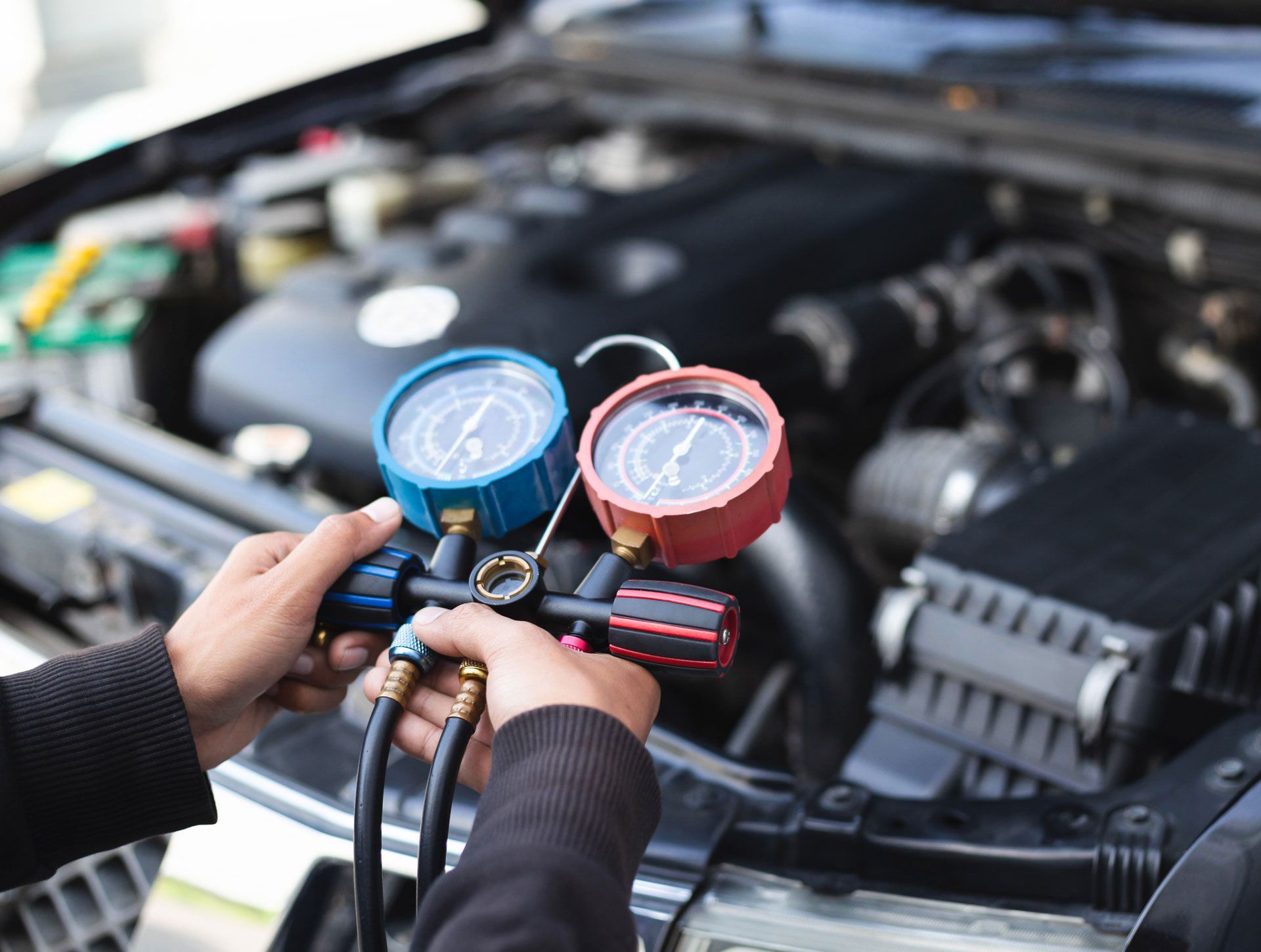
HVAC Maintenance Intervals and System Efficiency
Heating and air conditioning systems require regular inspection to maintain efficiency and reliability over time. Continuous operation places stress on mechanical, electrical, and sealed refrigerant components.
Refrigerant levels can gradually decrease due to small leaks, while compressors and blower motors may experience wear from repeated use. Air filters and airflow components also accumulate debris that can restrict system performance.
Routine HVAC maintenance ensures that heating and cooling systems remain properly balanced and capable of delivering consistent cabin comfort. Regular system evaluation supports long-term efficiency and reliable operation during everyday driving conditions in Red Bank, MS.