Suspension & Steering in Red Bank, MS
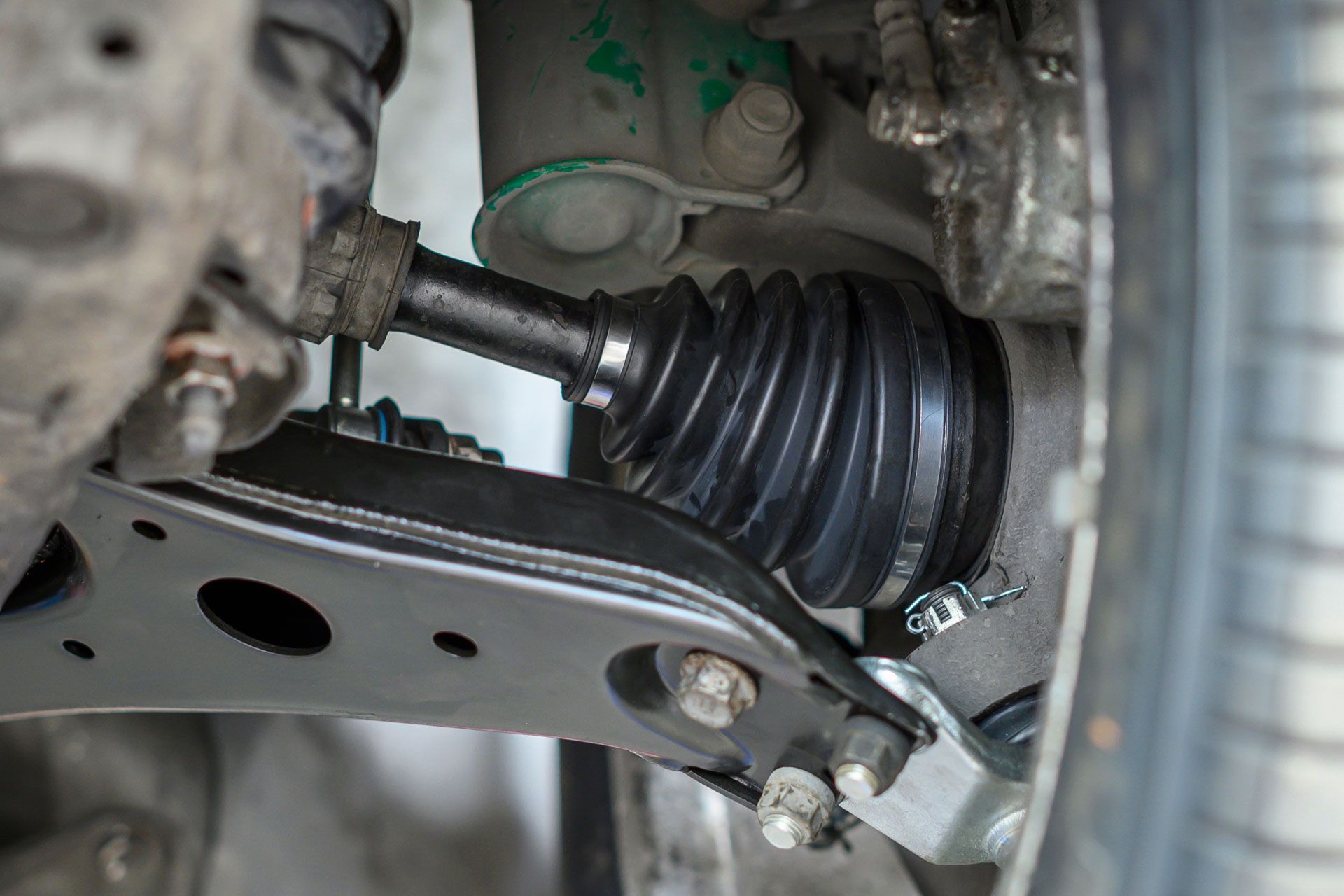
Suspension and Steering System Overview in Red Bank, MS
Suspension and steering services involve the inspection, maintenance, and repair of components responsible for vehicle stability, directional control, and road handling performance. At Mejia Mechanic in Red Bank, MS, suspension and steering system work focuses on ensuring that the vehicle maintains proper contact with the road while allowing controlled movement over varying surfaces and driving conditions.
The suspension system supports the vehicle’s weight, absorbs road impact, and maintains tire contact with the road surface. The steering system allows the driver to control direction through mechanical and hydraulic or electronic assistance systems. Together, these systems directly affect ride comfort, handling response, and overall driving stability.
As vehicles operate over time, suspension and steering components are exposed to constant stress from road irregularities, braking forces, and steering input. This leads to gradual wear of joints, bushings, dampers, and linkages, which can affect alignment and control if not properly maintained.
Shock Absorbers and Strut System Function
Shock absorbers and struts are critical components of the suspension system that control movement and reduce oscillation after the vehicle encounters bumps or uneven surfaces.
Shock Absorber Operation
Shock absorbers regulate spring movement by controlling how quickly the suspension compresses and rebounds. Without proper damping, the vehicle may continue bouncing after hitting a bump, reducing stability and tire contact.
Strut Assembly Structure
Struts combine a shock absorber with structural support for the suspension system. They play a role in both damping motion and maintaining wheel alignment geometry.
Wear and Performance Degradation
Worn shocks or struts can lead to excessive vehicle bounce, uneven tire wear, and reduced braking stability. Fluid leakage or internal wear reduces their ability to control suspension movement effectively.
Proper shock and strut condition ensures that the vehicle maintains consistent contact with the road surface during acceleration, braking, and cornering.
Suspension Components and Structural Wear
The suspension system consists of multiple interconnected components that support vehicle weight and manage movement between the body and wheels.
Control Arms and Bushings
Control arms connect the wheel assembly to the vehicle frame, allowing controlled movement. Bushings within these arms absorb vibration and reduce metal-to-metal contact. Wear in these components can result in loose handling or alignment shifts.
Ball Joints and Pivot Points
Ball joints allow controlled movement between suspension components and wheel assemblies. These joints must remain lubricated and free of excessive play to maintain steering precision.
Springs and Load Support
Coil or leaf springs support vehicle weight and absorb road impact energy. Over time, springs can weaken or lose tension, affecting ride height and suspension balance.
Suspension component condition directly influences ride quality, tire wear patterns, and steering responsiveness.
Steering System Function and Response
The steering system translates driver input from the steering wheel into directional movement of the front wheels. This system may use hydraulic, electric, or mechanical assistance depending on vehicle design.
Steering Rack Operation
The steering rack converts rotational motion from the steering wheel into lateral wheel movement. Wear or internal damage can result in loose steering or delayed response.
Power Steering System Function
Power steering systems reduce the effort required to turn the steering wheel. Hydraulic or electric assistance helps maintain smooth steering control, especially at low speeds.
Steering Linkage Integrity
Tie rods and steering linkages connect the steering rack to the wheels. These components must remain tight and properly aligned to ensure accurate directional control.
A properly functioning steering system ensures predictable vehicle response and consistent directional stability during driving.
Wheel Alignment and Handling Stability
Wheel alignment refers to the positioning of wheels relative to each other and the road surface. Proper alignment ensures that tires make correct contact with the road and that steering response remains consistent.
Camber Angle Positioning
Camber refers to the inward or outward tilt of the wheels when viewed from the front. Incorrect camber can cause uneven tire wear and affect cornering stability.
Toe Adjustment and Directional Control
Toe alignment controls whether wheels point slightly inward or outward. Improper toe settings can cause tire scrubbing and reduce steering precision.
Caster Angle and Steering Return
Caster angle affects steering stability and the ability of the steering wheel to return to center after turning. Incorrect caster can impact highway stability and steering effort.
Proper alignment ensures that suspension and steering systems work together to maintain stable and predictable handling characteristics.
Steering and Suspension Noise and Vibration Diagnosis
Unusual noises or vibrations often indicate wear or imbalance within the suspension or steering systems. These symptoms may develop gradually as components degrade over time.
Clunking or Knocking Sounds
Clunking noises may indicate worn ball joints, loose control arms, or deteriorated bushings within the suspension system.
Steering Wheel Vibration
Vibration during driving may be caused by misaligned wheels, worn steering components, or suspension imbalance affecting wheel rotation.
Squeaking or Rubbing Sounds
Squeaking noises can result from dry bushings, worn joints, or insufficient lubrication in suspension components.
Diagnosing these symptoms helps identify underlying mechanical issues affecting system performance and vehicle stability.
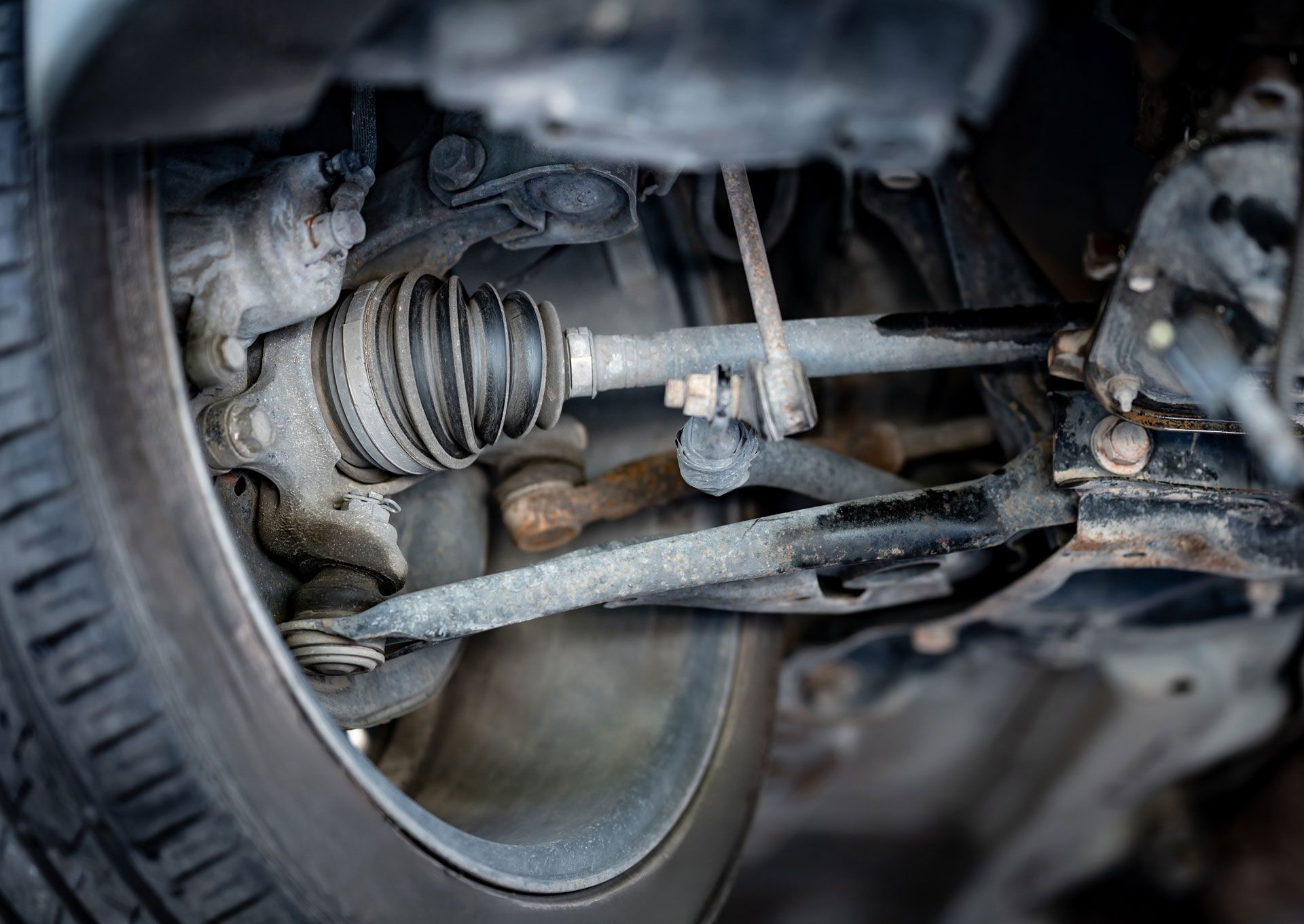
Suspension and Steering Maintenance Intervals
Suspension and steering systems operate under constant load and movement, making them subject to gradual wear over time. Regular inspection helps identify early signs of component fatigue before they affect handling or safety.
Driving conditions such as rough roads, frequent turning, and heavy vehicle loads can accelerate wear on suspension and steering components. Even under normal conditions, joints, bushings, and dampers degrade with mileage and time.
Routine maintenance ensures that steering response remains accurate, suspension movement remains controlled, and tire contact with the road surface remains consistent. Proper system condition supports stable handling performance and predictable vehicle behavior during everyday driving in Red Bank, MS.