Tire Services in Red Bank, MS
Tire Services Overview in Red Bank, MS
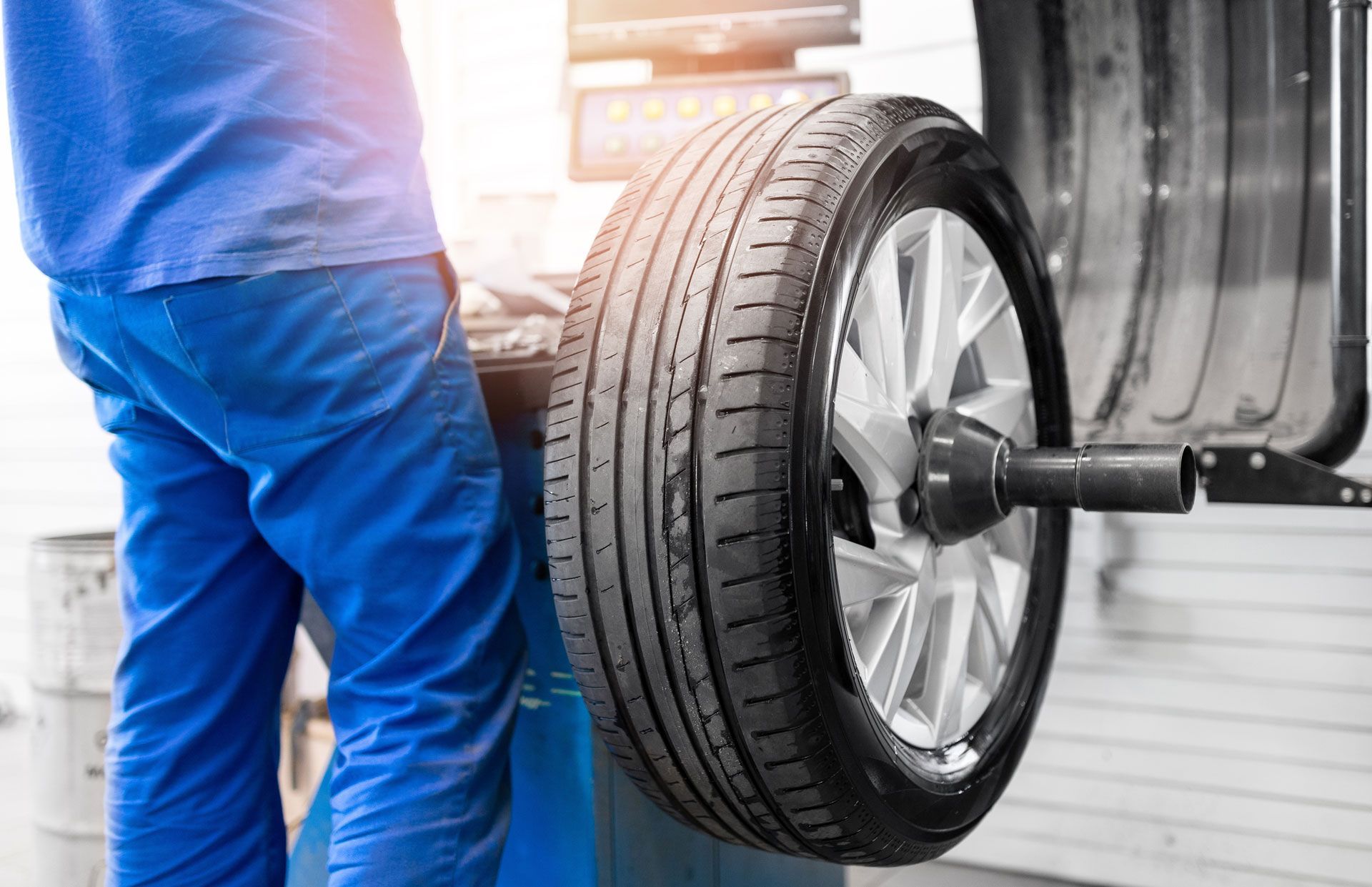
Tire services involve the inspection, maintenance, repair, and replacement of vehicle tires to ensure safe traction, stable handling, and proper contact with the road surface. At Mejia Mechanic in Red Bank, MS, tire-related service work focuses on maintaining tire condition, monitoring wear patterns, and addressing issues that affect vehicle stability during driving.
Tires are the only point of contact between a vehicle and the road, which makes their condition essential for braking, steering, and acceleration performance. Over time, tires naturally wear down due to friction, road conditions, temperature changes, and driving habits. As tread depth decreases or structural integrity weakens, the ability of the tire to grip the road surface is reduced, especially in wet or uneven conditions.
Tire services ensure that each tire maintains proper inflation, balanced rotation, and sufficient tread depth for safe driving performance in everyday conditions around Red Bank, MS.
Tire Inspection and Condition Assessment
Tire inspection is a detailed evaluation of tread wear, sidewall condition, inflation levels, and overall structural integrity. This process helps identify issues that may affect safety or performance before they become more serious.
Tread Depth Evaluation
Tread depth is measured to determine how much usable rubber remains on the tire surface. Adequate tread is necessary for channeling water away from the contact surface and maintaining traction on wet roads.
Sidewall Condition Check
The sidewall of the tire is inspected for cracks, bulges, or cuts. Damage in this area can indicate internal weakness and increases the risk of sudden tire failure.
Uneven Wear Pattern Analysis
Tires are checked for uneven wear, which may indicate alignment issues, improper inflation, or suspension imbalance. Identifying wear patterns helps determine underlying mechanical conditions affecting tire performance.
Tire inspection ensures that each tire remains structurally sound and capable of maintaining consistent road contact under normal driving conditions.
Tire Repair and Puncture Service
Tire repair involves addressing damage caused by punctures or small leaks that affect tire pressure and performance. Not all tire damage can be repaired, and each case must be evaluated based on location and severity.
Puncture Location Assessment
Repairs are only performed when punctures are located within the tread area. Damage on the sidewall or shoulder typically cannot be safely repaired due to structural limitations.
Internal Tire Sealing Process
When a repair is possible, the tire is removed from the wheel and inspected internally to ensure no hidden damage exists. A sealing method is then applied to close the puncture and restore air retention.
Air Retention Testing
After repair, the tire is tested for proper inflation retention. This ensures that no leaks remain and that the tire can safely hold pressure under normal driving conditions.
Tire repair services restore functionality when damage is limited and do not compromise overall structural integrity.
Tire Rotation and Wear Balancing
Tire rotation is the process of changing the position of tires on a vehicle to promote even wear across all four tires. Because different wheel positions experience different levels of stress, rotation helps extend overall tire lifespan.
Front and Rear Load Distribution
Front tires typically wear faster in front-wheel-drive vehicles due to steering and power delivery forces. Rear tires may wear differently depending on vehicle type and alignment.
Cross-Pattern Rotation Adjustment
Tires are repositioned in a specific pattern depending on drivetrain configuration to ensure even tread wear across all positions.
Wear Equalization Monitoring
After rotation, tire wear is monitored to ensure that tread levels remain balanced over time. Uneven wear reduction helps improve traction consistency.
Regular tire rotation supports uniform tread usage and helps maintain predictable handling characteristics.
Tire Balancing and Vibration Control
Tire balancing ensures that weight is evenly distributed around each wheel and tire assembly. Imbalance can lead to vibration, uneven wear, and reduced driving comfort.
Wheel Weight Distribution Check
Each tire and wheel assembly is tested to identify areas of imbalance. Small weight differences can cause noticeable vibration at higher speeds.
Dynamic Balance Adjustment
Weights are added or adjusted on the wheel rim to correct imbalance and ensure smooth rotation at various speeds.
Steering and Ride Stability Evaluation
Balanced tires help maintain stable steering response and reduce stress on suspension components. Proper balance contributes to smoother vehicle operation on different road surfaces.
Tire balancing ensures that rotation remains consistent and vibration-free during normal driving conditions.
Heavy-Duty Semi Truck Tire Services
Semi truck tires require specialized service due to the heavy loads and long distances they handle on a daily basis. At Mejia Mechanic in Red Bank, MS, tire service for commercial trucks focuses on maintaining proper inflation, monitoring tread wear across multiple axles, and identifying issues that can impact stability and performance on the road.
Routine inspection and maintenance help prevent uneven wear, reduce the risk of blowouts, and support consistent handling under load. Keeping semi truck tires in proper condition improves overall safety, extends tire lifespan, and helps ensure reliable performance during daily operations.
Tire Inflation and Air Pressure Monitoring
Proper tire inflation is essential for maintaining load capacity, fuel efficiency, and road grip. Tires that are overinflated or underinflated can affect handling and increase wear.
Air Pressure Measurement
Each tire is checked using calibrated equipment to ensure it meets manufacturer-recommended pressure levels.
Pressure Loss Identification
Slow leaks or pressure drops are evaluated to determine if there is a puncture, valve issue, or bead seal problem.
Temperature-Related Pressure Variation
Tire pressure naturally changes with temperature fluctuations. Monitoring ensures that inflation levels remain within safe operational ranges.
Correct tire inflation helps maintain consistent contact with the road surface and supports overall vehicle stability.
Tire Maintenance Intervals and Replacement Considerations
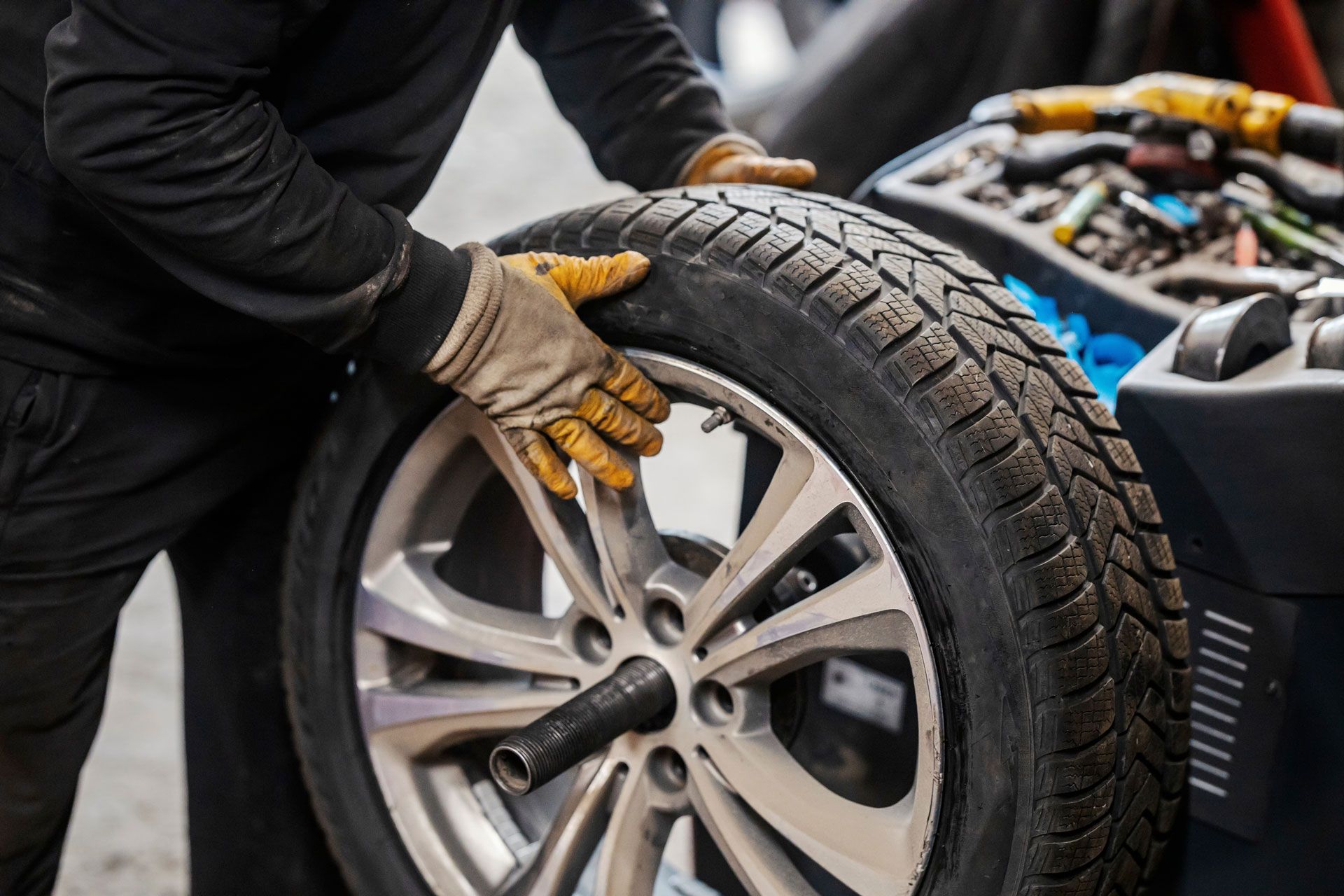
Tire maintenance intervals depend on driving conditions, road surfaces, vehicle load, and driving habits. Regular inspection is necessary to track tread wear and detect early signs of damage or imbalance.
Tires gradually lose tread depth over time, even under normal usage conditions. When tread becomes too shallow, traction is reduced, particularly in wet or slippery environments. Sidewall aging and internal structural fatigue can also develop with extended use.
Routine tire maintenance helps ensure that tires remain within safe operating conditions throughout their service life. Monitoring wear patterns, inflation levels, and balance conditions supports consistent handling performance and overall vehicle stability during everyday driving in Red Bank, MS.