General Maintenance & Tune-Ups in Red Bank, MS
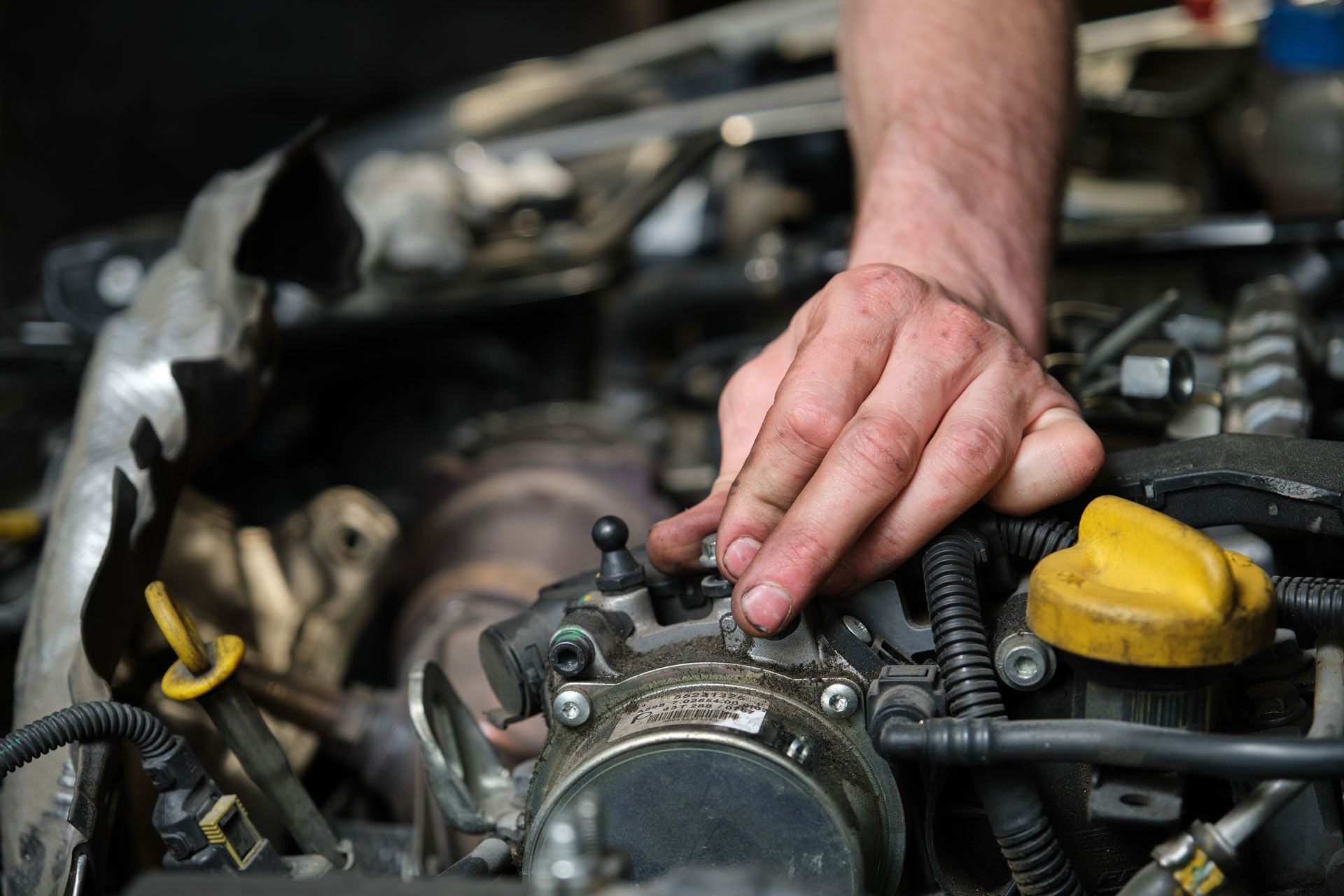
Overview of General Maintenance and Tune-Ups in Red Bank, MS
General maintenance and tune-up services involve a structured set of inspections, adjustments, and component evaluations designed to keep a vehicle operating within proper mechanical and performance standards. At Mejia Mechanic in Red Bank, MS, these services focus on identifying early signs of wear, restoring proper system function, and ensuring that essential engine and vehicle systems remain synchronized.
A vehicle depends on multiple interconnected systems including ignition, fuel delivery, air intake, exhaust flow, and electronic controls. Over time, these systems naturally drift from optimal calibration due to normal wear, contamination, and environmental exposure. General maintenance and tune-ups address these gradual changes by evaluating system performance and making necessary adjustments to restore balance.
Unlike isolated repairs, tune-up and maintenance work involves a broad inspection of multiple systems at once. This helps ensure that no single issue negatively impacts overall vehicle operation. In Red Bank, MS, where driving conditions may vary between short trips and longer commutes, consistent maintenance plays an important role in sustaining stable engine behavior and drivability.
Engine Performance Evaluation and System Inspection
Engine performance evaluation is a central part of general maintenance. This process involves examining how effectively the engine operates under different conditions, including idle, acceleration, and steady cruising.
Ignition System Assessment
The ignition system is responsible for initiating combustion inside the engine cylinders. Components such as spark plugs, ignition coils, and related wiring are examined for wear, corrosion, or inconsistent firing patterns that may affect engine smoothness.
Air Intake and Fuel Delivery Review
The air intake system regulates the flow of air into the engine, while the fuel delivery system ensures the correct amount of fuel is supplied. These systems are evaluated for restrictions, contamination, or imbalance that could impact combustion efficiency.
Engine Idle Stability Check
Idle performance is observed to determine whether the engine maintains consistent RPM levels without fluctuation. Irregular idle behavior can indicate underlying issues in air-fuel mixture balance or sensor calibration.
Engine evaluation ensures that combustion occurs efficiently and consistently, supporting smooth operation under varying driving conditions.
Fluid Condition Monitoring and Replacement Evaluation
Fluids play a critical role in maintaining lubrication, cooling, hydraulic pressure, and overall system stability. General maintenance includes evaluating the condition and levels of key automotive fluids.
Engine Oil Condition Review
Engine oil is inspected for viscosity breakdown, contamination, and discoloration. Oil condition directly affects engine lubrication and internal wear protection.
Coolant System Monitoring
Coolant levels and condition are assessed to ensure proper heat regulation. The cooling system prevents engine overheating by transferring heat away from internal components.
Transmission and Hydraulic Fluids
Transmission fluid is evaluated for shifting performance consistency, while hydraulic fluids such as brake and power steering fluid are checked for pressure stability and contamination.
Fluid monitoring ensures that each system maintains proper operational conditions without internal stress or overheating.
Air, Fuel, and Emission System Inspection
The air, fuel, and emission systems work together to regulate combustion efficiency and exhaust output. These systems are commonly inspected during tune-up services to ensure balanced engine performance.
Air Filter Condition Assessment
The air filter is inspected for dirt buildup and restriction. A clogged air filter can reduce airflow to the engine, affecting combustion efficiency and power delivery.
Fuel System Flow Evaluation
Fuel injectors and fuel lines are examined for clogging or uneven fuel distribution. Proper fuel atomization is necessary for complete combustion within the engine cylinders.
Exhaust and Emission Flow Check
The exhaust system is reviewed for blockages, leaks, or sensor irregularities that may affect emissions control systems. Oxygen sensors and related components are also evaluated for accurate readings.
Maintaining balance between air intake, fuel delivery, and exhaust flow ensures that the engine operates within designed efficiency ranges.
Electrical System and Sensor Function Assessment
Modern vehicles rely heavily on electrical systems and sensors to regulate engine performance and support onboard diagnostics. General maintenance includes evaluation of these components to ensure accurate communication and control.
Battery and Charging System Check
The battery is tested for voltage stability and charging capacity. The alternator and charging system are also evaluated to ensure proper electrical supply to vehicle systems.
Sensor Performance Evaluation
Engine sensors such as mass airflow sensors, oxygen sensors, and temperature sensors are reviewed for accuracy. These sensors provide critical data to the engine control unit for real-time adjustments.
Wiring and Connection Inspection
Electrical connections are examined for corrosion, loose fittings, or damaged wiring that may interrupt signal transmission or system operation.
Proper electrical system function ensures that engine management systems respond accurately to changing driving conditions.
Preventive Maintenance Workflow and System Calibration
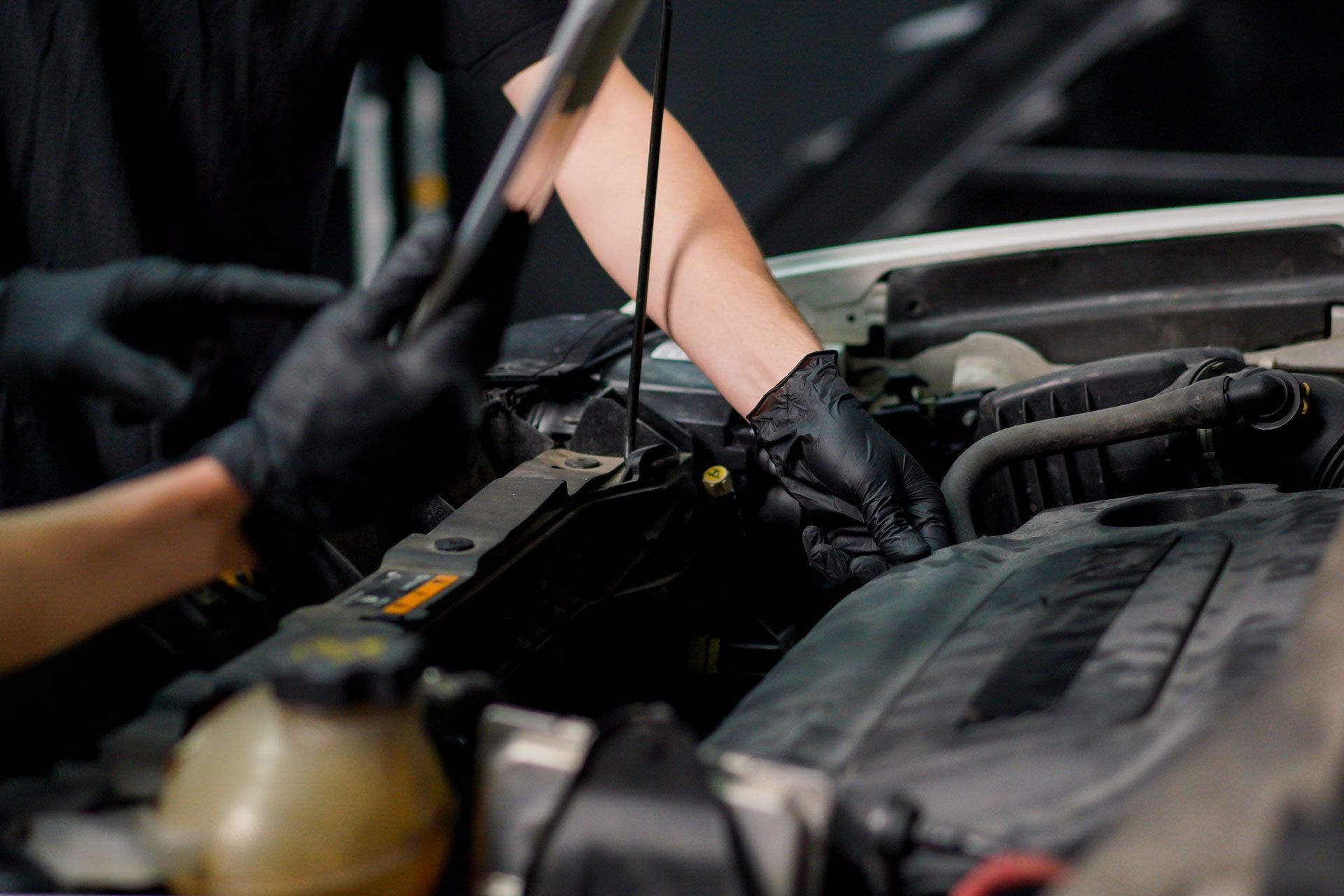
General maintenance and tune-ups follow a structured workflow designed to ensure that all inspected systems are properly evaluated and adjusted where necessary. The process begins with a full vehicle inspection to identify any performance irregularities or warning indicators. Engine operation is observed under idle and load conditions to assess baseline performance. Each system is then individually reviewed, including ignition, fuel, air intake, cooling, and electrical components.
Adjustments are made where required to restore proper system calibration. This may include replacing worn components, cleaning restricted systems, or correcting minor imbalances in engine operation. Once adjustments are completed, the vehicle is tested again to confirm consistent performance across all operating conditions.
This structured approach ensures that multiple systems work together efficiently rather than operating in isolation.
Maintenance Scheduling and System Stability Over Time
General maintenance and tune-up intervals vary depending on vehicle age, driving habits, and environmental conditions. Vehicles used for frequent short trips or stop-and-go driving may require more frequent inspections due to increased engine strain and incomplete combustion cycles.
Over time, gradual system drift can occur even without noticeable symptoms. This includes minor changes in sensor calibration, fluid degradation, and component wear that collectively affect overall performance. Regular maintenance helps identify these gradual changes before they develop into larger mechanical issues.
Consistent tune-up and maintenance service ensures that engine systems remain aligned with manufacturer operating specifications, supporting stable vehicle behavior and long-term mechanical reliability in everyday driving conditions around Red Bank, MS.