Drivetrain / Axles in Red Bank, MS
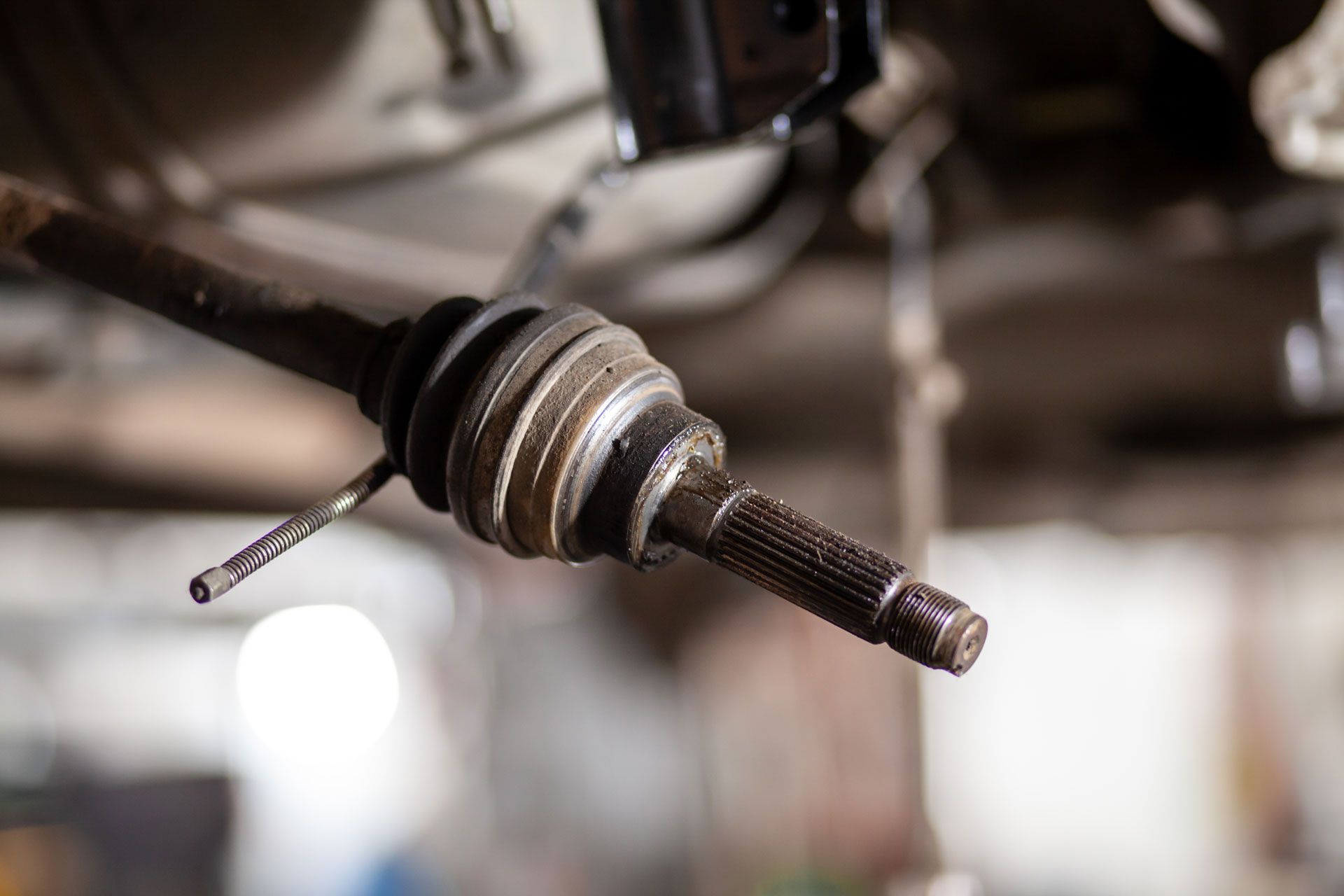
Drivetrain and Axle System Overview in Red Bank, MS
Drivetrain and axle services involve the inspection, diagnosis, and repair of components responsible for transferring engine power from the transmission to the wheels. At Mejia Mechanic in Red Bank, MS, drivetrain work focuses on ensuring that torque delivery, rotational balance, and wheel movement operate correctly under all driving conditions.
The drivetrain system includes several interconnected parts such as the driveshaft, differential, axles, and constant velocity (CV) joints. These components work together to transmit power while allowing the wheels to rotate, turn, and move independently when necessary. The axle system supports vehicle weight and ensures that power is evenly distributed to the wheels for stable motion.
As drivetrain components operate under continuous stress, they are subject to wear from torque load, road conditions, and suspension movement. When wear occurs, drivers may notice vibration, clicking noises, or uneven power delivery during acceleration or turning.
Driveshaft Function and Power Transfer
The driveshaft is a key component of the drivetrain system that transfers rotational power from the transmission to the differential. It must maintain balance and structural integrity to ensure smooth power delivery.
Rotational Power Transmission
The driveshaft rotates at high speed to carry engine torque rearward or to other drivetrain components. Proper alignment ensures efficient energy transfer without vibration.
Universal Joint Operation
Universal joints allow the driveshaft to flex and adjust as the vehicle moves over uneven surfaces. Worn joints can cause clunking sounds or vibration during acceleration.
Driveshaft Balance and Stability
A balanced driveshaft is essential for preventing oscillation and maintaining smooth vehicle operation. Even minor imbalance can lead to noticeable vibration at higher speeds.
Driveshaft performance directly affects overall drivetrain smoothness and driving comfort.
Differential Operation and Torque Distribution
The differential is responsible for distributing engine torque to the wheels while allowing them to rotate at different speeds, especially during turns.
Gear Ratio Function
The differential uses gear sets to adjust torque distribution between wheels. This allows smooth turning without wheel binding or tire scrubbing.
Torque Splitting Mechanism
When a vehicle turns, the outer wheel travels farther than the inner wheel. The differential compensates for this difference by adjusting rotational speed between wheels.
Lubrication and Heat Management
Differentials require specialized gear oil to reduce friction and control heat buildup. Proper lubrication ensures smooth gear interaction and prevents premature wear.
A properly functioning differential ensures balanced power delivery and stable handling during cornering.
Axle Assembly Function and Load Support
Axles support the weight of the vehicle while transferring power from the drivetrain to the wheels. They are designed to withstand both rotational force and vertical load.
Solid Axle Structure
Solid axles connect both wheels on an axle housing, providing durability and strength. These are commonly used in heavier-duty applications.
Independent Axle Movement
Independent axle systems allow each wheel to move separately, improving ride comfort and handling stability on uneven surfaces.
Load-Bearing Performance
Axles carry the weight of the vehicle while maintaining alignment and structural stability. Damage or bending can affect wheel positioning and tire wear.
Axle integrity is essential for maintaining stable vehicle support and consistent wheel movement.
CV Joints and Constant Velocity Operation
Constant velocity (CV) joints allow power to be transferred to the wheels while accommodating steering and suspension movement.
Inner and Outer CV Joint Function
Inner CV joints connect the transmission to the axle shaft, while outer joints connect the axle to the wheel hub. Both allow smooth power transfer at varying angles.
Flexibility During Steering
CV joints enable wheels to turn while maintaining consistent torque delivery. This flexibility is essential for front-wheel-drive and all-wheel-drive vehicles.
Wear and Joint Failure Symptoms
Worn CV joints can produce clicking noises during turns, vibration during acceleration, or grease leakage from torn protective boots.
Proper CV joint function ensures smooth and uninterrupted power transfer during steering and suspension movement.
Drivetrain Vibration and Noise Diagnosis
Drivetrain issues often present as vibration, noise, or irregular movement during vehicle operation. These symptoms typically indicate imbalance or wear in rotating components.
Acceleration Vibration Analysis
Vibration during acceleration may be caused by driveshaft imbalance, worn CV joints, or differential issues affecting rotational stability.
Turning Noise Identification
Clicking or popping noises during turns often indicate worn CV joints or axle joint degradation.
Clunking During Gear Engagement
Clunking sounds when shifting or accelerating may indicate loose drivetrain components or excessive play in universal joints.
Diagnosing these symptoms helps identify the exact component causing drivetrain instability.
Differential and Axle Fluid Inspection
Drivetrain components require proper lubrication to reduce friction and prevent overheating. Fluid condition directly impacts gear and bearing performance.
Gear Oil Condition Check
Differential fluid is inspected for contamination, metal particles, and viscosity breakdown. Degraded fluid reduces gear protection.
Fluid Level Monitoring
Proper fluid levels ensure consistent lubrication of internal gears and bearings within the differential housing.
Leak Detection in Seals and Housing
Axle seals and differential housing are checked for leaks that can lead to lubrication loss and internal wear.
Maintaining proper fluid condition ensures smooth gear operation and extended component life.
Drivetrain Repair and Component Restoration
Drivetrain repair involves correcting mechanical wear, replacing damaged components, and restoring proper power transfer between the engine and wheels. Depending on the issue, repairs may include replacing CV joints, servicing the differential, repairing driveshaft components, or restoring axle integrity.
After repairs, the drivetrain system is tested under load conditions to verify smooth power delivery, balanced rotation, and proper noise levels. Each component is evaluated to ensure it operates correctly within the full drivetrain system.
Final verification ensures that torque is delivered evenly to the wheels and that all drivetrain components function in synchronization.
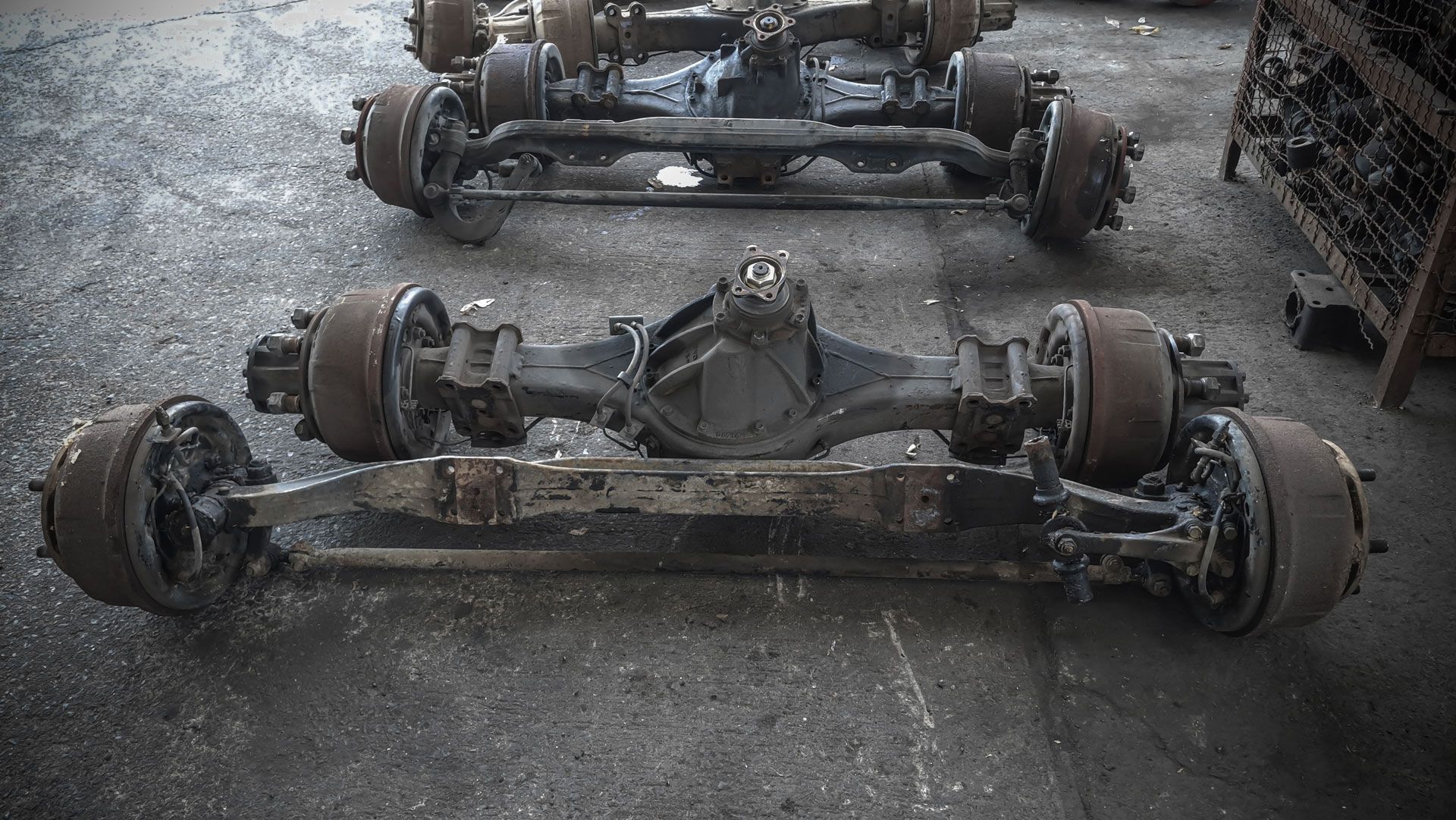
Drivetrain and Axle Maintenance Intervals
Drivetrain components operate under continuous mechanical stress, making regular inspection important for maintaining long-term performance. Constant torque transfer, road impact, and suspension movement gradually contribute to wear in joints, bearings, and gears.
Fluid condition plays a key role in protecting internal drivetrain components from heat and friction damage. Over time, seals, joints, and rotating assemblies may degrade and require maintenance or replacement.
Routine drivetrain and axle maintenance helps ensure stable power delivery, smooth rotational balance, and consistent wheel performance. Proper system care supports reliable vehicle operation during everyday driving conditions in Red Bank, MS.