Brake Services in Red Bank, MS
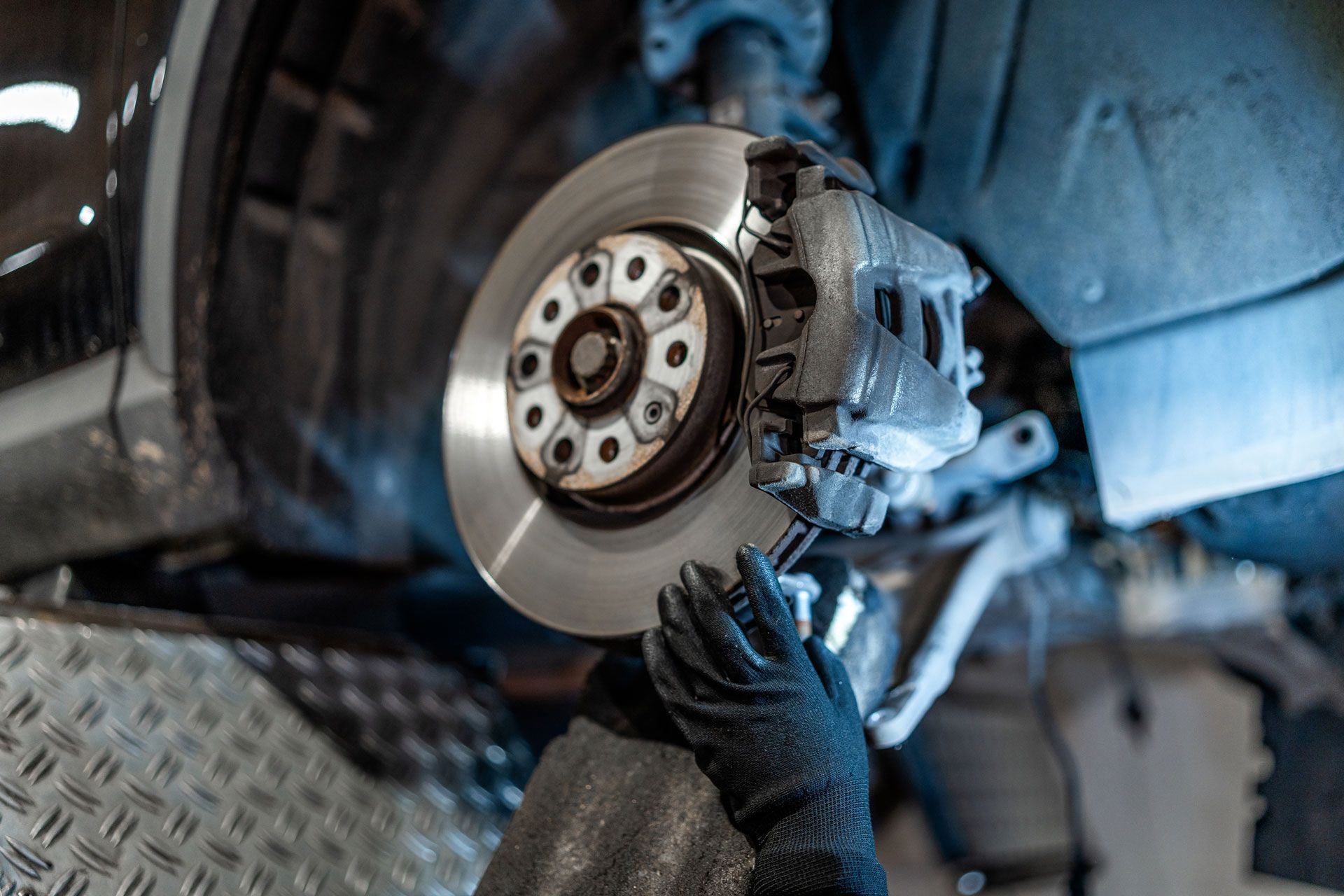
Brake System Function and Safety Role in Red Bank, MS
Brake services involve the inspection, maintenance, and repair of a vehicle’s braking system to ensure controlled stopping performance under all driving conditions. At Mejia Mechanic in Red Bank, MS, brake service work focuses on the mechanical and hydraulic systems that allow a vehicle to slow down or stop effectively through friction and pressure distribution.
A braking system operates by converting kinetic energy into heat through friction between brake components. When the brake pedal is pressed, hydraulic pressure is transferred through brake fluid to activate calipers or wheel cylinders, which then press brake pads or shoes against rotating surfaces. This process gradually reduces wheel rotation and brings the vehicle to a controlled stop.
Over time, heat, friction, and environmental exposure cause brake components to wear down. As these parts degrade, stopping distance increases and braking response becomes less consistent. Brake service ensures that all components remain within safe operating conditions and continue functioning as intended in everyday driving around Red Bank, MS.
Brake Pad and Shoe Wear Evaluation
Brake pads and shoes are the primary friction materials responsible for slowing down a vehicle. These components gradually wear down each time the brakes are applied, and their condition directly affects braking performance.
Brake Pad Thickness Inspection
Brake pads are inspected for remaining friction material thickness. When pads become too thin, they lose their ability to generate sufficient friction, which reduces stopping power and increases rotor wear.
Brake Shoe Condition Assessment
In vehicles with drum brake systems, brake shoes press outward against the drum surface. These shoes are checked for wear, glazing, and contamination that may affect braking consistency.
Uneven Wear Analysis
Uneven wear patterns can indicate issues such as sticking calipers, misaligned components, or hydraulic pressure imbalance. Identifying these patterns early helps prevent further system damage.
Brake pad and shoe evaluation ensures that friction surfaces remain capable of maintaining safe braking response under normal and emergency conditions.
Brake Rotor and Drum Surface Maintenance
Brake rotors and drums are metal components that interact with pads and shoes to create friction. Their condition plays a critical role in smooth and stable braking performance.
Brake Rotor Surface Inspection
Rotors are examined for scoring, grooves, and heat-related distortion. Excessive wear or uneven surfaces can cause vibration during braking and reduce overall effectiveness.
Rotor Thickness Measurement
Rotors must maintain a minimum thickness to ensure structural integrity. When rotors become too thin, they are no longer able to dissipate heat properly, increasing the risk of warping.
Brake Drum Condition Check
Drums are inspected for internal wear patterns, heat spots, and oval deformation. Any irregularities in the drum surface can affect brake shoe contact and braking consistency.
Maintaining proper rotor and drum condition supports smooth braking response and ensures consistent friction between moving components.
Brake Fluid System Inspection and Hydraulic Function
Brake fluid is a hydraulic medium responsible for transferring force from the brake pedal to the braking components at each wheel. Proper fluid condition is essential for consistent brake performance.
Brake Fluid Level Evaluation
Fluid levels are checked to ensure there is sufficient hydraulic pressure within the system. Low fluid levels may indicate leaks or worn components.
Moisture and Contamination Assessment
Brake fluid naturally absorbs moisture over time, which can reduce its boiling point and affect braking efficiency. Contaminated fluid may also cause internal corrosion within brake lines and cylinders.
Hydraulic Pressure Consistency Check
The braking system relies on even pressure distribution to all wheels. Any imbalance in hydraulic pressure can result in uneven braking response or reduced control.
Brake fluid inspection ensures that hydraulic force is transmitted efficiently throughout the system without loss of pressure or responsiveness.
Brake Caliper and Wheel Cylinder Operation
Calipers and wheel cylinders are responsible for applying pressure to brake pads or shoes. These components must move freely and respond accurately to hydraulic input.
Caliper Movement Inspection
Calipers are checked for proper sliding and clamping function. Sticking calipers can cause uneven pad wear and reduced braking efficiency.
Piston Function Evaluation
Brake pistons are examined for smooth extension and retraction. Any resistance or leakage can affect braking force distribution.
Sealing and Leakage Check
Seals and rubber components are inspected to ensure they are not allowing brake fluid to escape, which would reduce system pressure.
Proper caliper and cylinder function ensures that braking force is applied evenly and consistently at all wheels.
Brake System Performance Testing and Adjustment
After individual components are inspected, the braking system is evaluated as a complete unit to confirm proper operation under real driving conditions. The braking response is tested for pedal feel, travel distance, and pressure consistency. Any delay in response or unusual resistance is analyzed to identify underlying mechanical or hydraulic issues.
Wheel balance during braking is also evaluated to ensure the vehicle stops in a straight and controlled manner. If braking force is uneven between wheels, adjustments are made to restore balance and stability.
Final system testing ensures that all repaired or serviced components are functioning together as a unified system capable of delivering controlled stopping performance.
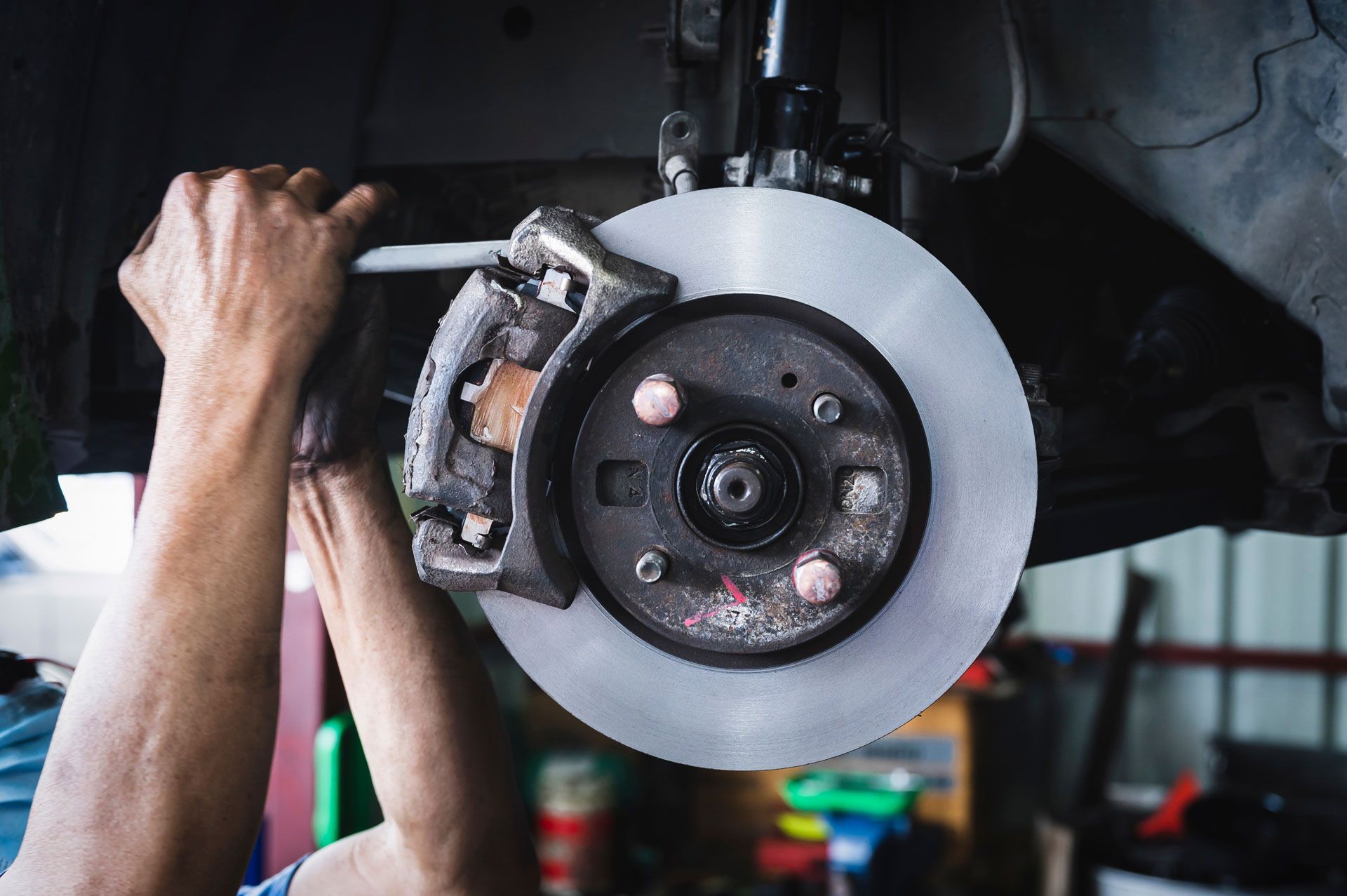
Brake Maintenance Intervals and System Longevity
Brake system maintenance intervals depend on driving habits, road conditions, and vehicle usage patterns. Frequent stop-and-go driving, heavy loads, and high-speed braking all contribute to faster wear of brake components.
Regular inspection of pads, rotors, fluid, and hydraulic components helps identify wear before it leads to reduced braking performance. Brake systems gradually degrade over time, even if no immediate symptoms are present, making periodic evaluation important for maintaining consistent operation.
Proper maintenance ensures that friction materials, hydraulic systems, and mechanical components continue working within safe operational limits. Consistent brake service helps maintain predictable stopping behavior and overall vehicle control during everyday driving in Red Bank, MS.