Engine Diagnostics & Repair in Red Bank, MS
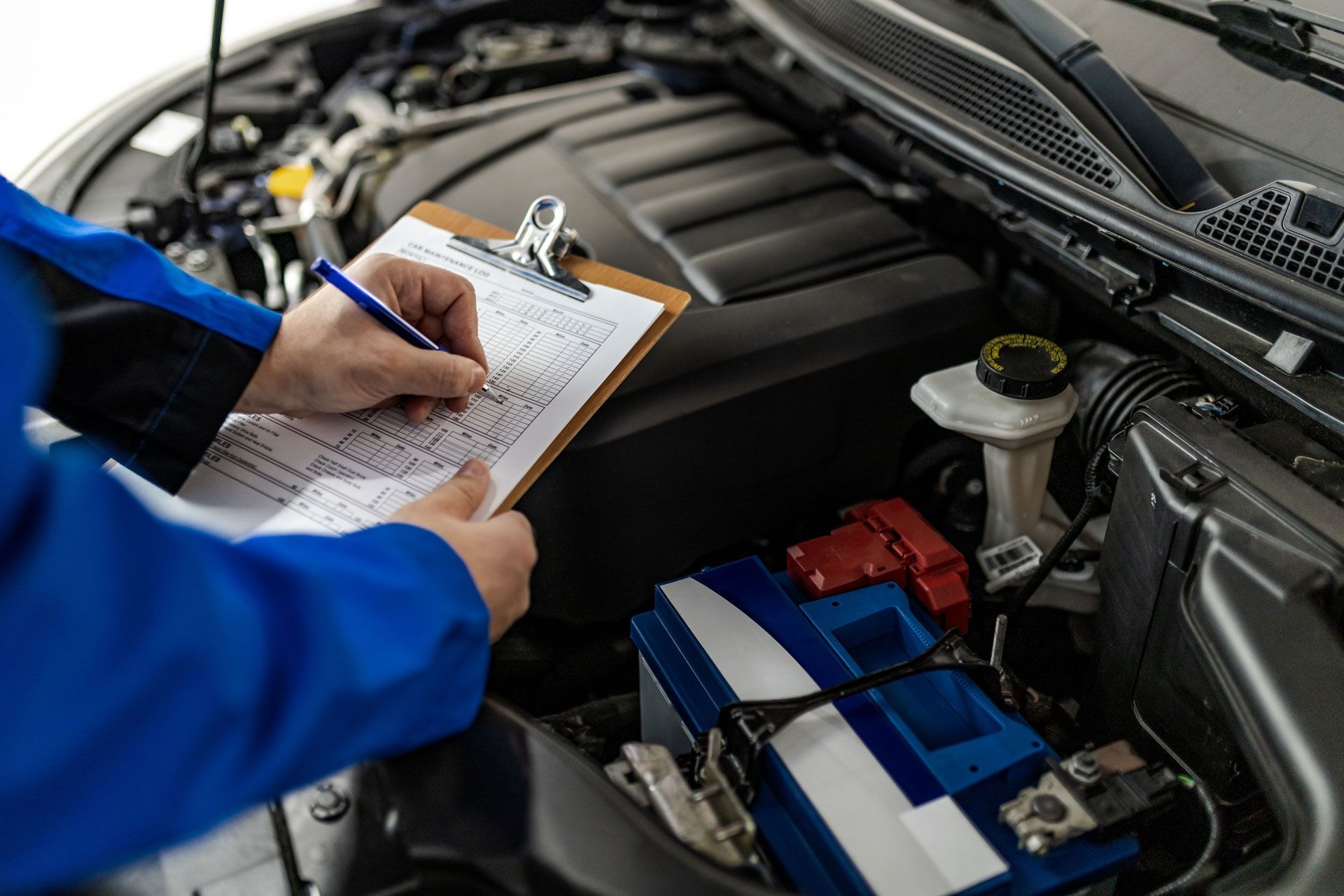
Engine Diagnostics and Repair Overview in Red Bank, MS
Engine diagnostics and repair services involve the systematic inspection, testing, and correction of issues affecting internal combustion engine performance. At Mejia Mechanic in Red Bank, MS, diagnostic procedures focus on identifying irregular engine behavior, interpreting system data, and determining the mechanical or electronic causes behind performance problems.
Modern engines rely on a combination of mechanical systems and electronic control modules to regulate fuel delivery, ignition timing, air intake, and emissions output. When one or more of these systems malfunctions, the engine may exhibit symptoms such as reduced power, rough idling, poor fuel efficiency, or warning indicators on the dashboard.
Engine diagnostics are used to identify the source of these issues by analyzing sensor data, system codes, and physical engine condition. Once the underlying cause is determined, repair procedures are performed to restore proper engine operation and system balance.
Engine Performance Evaluation and Symptom Identification
Engine diagnostics begin with a structured evaluation of performance symptoms reported during vehicle operation. These symptoms provide initial indicators of which systems may be affected.
Idle Stability Assessment
Engine idle behavior is observed to determine whether the engine maintains consistent RPM levels. Irregular idling may indicate issues with air intake, fuel delivery, or ignition timing.
Acceleration Response Testing
Engine response during acceleration is evaluated to detect hesitation, power loss, or delayed throttle response. These symptoms may point to fuel system restrictions or sensor malfunctions.
Engine Noise and Vibration Analysis
Unusual noises such as knocking, ticking, or excessive vibration are examined to identify potential mechanical wear or combustion irregularities within the engine.
Performance evaluation provides the first stage of identifying system abnormalities before electronic or mechanical testing begins.
On-Board Diagnostic System and Fault Code Analysis
Modern vehicles are equipped with an onboard diagnostic system that monitors engine performance through sensors and control modules. When irregular conditions are detected, the system generates fault codes stored within the engine control unit.
Diagnostic Trouble Code Retrieval
Fault codes are retrieved using diagnostic scanning tools that communicate with the vehicle’s onboard computer. These codes provide reference points for identifying affected systems.
Sensor Data Interpretation
Live sensor data is analyzed to monitor engine conditions such as airflow, oxygen levels, temperature, and fuel mixture. Deviations from expected values help narrow down potential issues.
System Communication Verification
The communication between electronic control modules is evaluated to ensure that data is being transmitted correctly across engine management systems.
Diagnostic scanning allows for targeted identification of electronic and sensor-related issues affecting engine performance.
Fuel System Inspection and Combustion Efficiency
The fuel system is responsible for delivering the correct amount of fuel to the engine for combustion. Proper fuel delivery is essential for maintaining power output and efficiency.
Fuel Injector Operation
Fuel injectors are inspected for proper spray pattern and flow rate. Clogged or malfunctioning injectors can lead to uneven combustion and reduced engine performance.
Fuel Pressure Regulation
Fuel pressure is measured to ensure that the system maintains consistent delivery to the engine. Low or fluctuating pressure can cause hesitation or stalling.
Air-Fuel Mixture Balance
The balance between air intake and fuel delivery is evaluated to ensure efficient combustion. Imbalanced mixtures can affect fuel economy and emissions output.
A properly functioning fuel system ensures stable combustion and consistent engine output under varying driving conditions.
Ignition System Function and Spark Delivery
The ignition system is responsible for igniting the air-fuel mixture inside the engine cylinders. Reliable spark delivery is essential for smooth engine operation.
Spark Plug Condition
Spark plugs are inspected for wear, carbon buildup, and electrode degradation. Worn spark plugs can lead to misfires and reduced engine efficiency.
Ignition Coil Performance
Ignition coils generate the voltage required to produce spark at the spark plugs. Weak or failing coils can result in inconsistent ignition across cylinders.
Timing and Combustion Synchronization
Ignition timing is evaluated to ensure that spark occurs at the correct point in the engine cycle. Incorrect timing can lead to knocking or poor performance.
Proper ignition system operation ensures complete combustion and stable engine performance.
Mechanical Engine Component Inspection and Repair
When diagnostic results indicate internal engine issues, mechanical inspection is performed to evaluate physical component condition.
Cylinder Compression Testing
Compression levels are measured within engine cylinders to assess sealing efficiency. Low compression may indicate worn piston rings, valves, or head gasket issues.
Valve Train Operation
Valve components are inspected for proper opening and closing timing. Malfunctioning valves can disrupt airflow and combustion efficiency.
Internal Wear Assessment
Engine components are evaluated for signs of wear such as scoring, overheating, or lubrication failure. These conditions can affect long-term engine reliability.
Mechanical inspection helps determine whether internal repair or component replacement is necessary to restore engine function.
Engine Repair and System Restoration Process
Engine repair involves correcting identified issues to restore proper performance and system balance. The type of repair depends on whether the issue is electronic, fuel-related, ignition-based, or mechanical in nature.
Repairs may include replacing faulty sensors, correcting fuel delivery issues, restoring ignition system performance, or addressing internal mechanical wear. After repairs are completed, the engine is re-tested to confirm that performance has been restored and that all systems are functioning correctly.
Final verification ensures that diagnostic codes are cleared, engine operation is stable, and all related systems are communicating properly with the engine control unit.
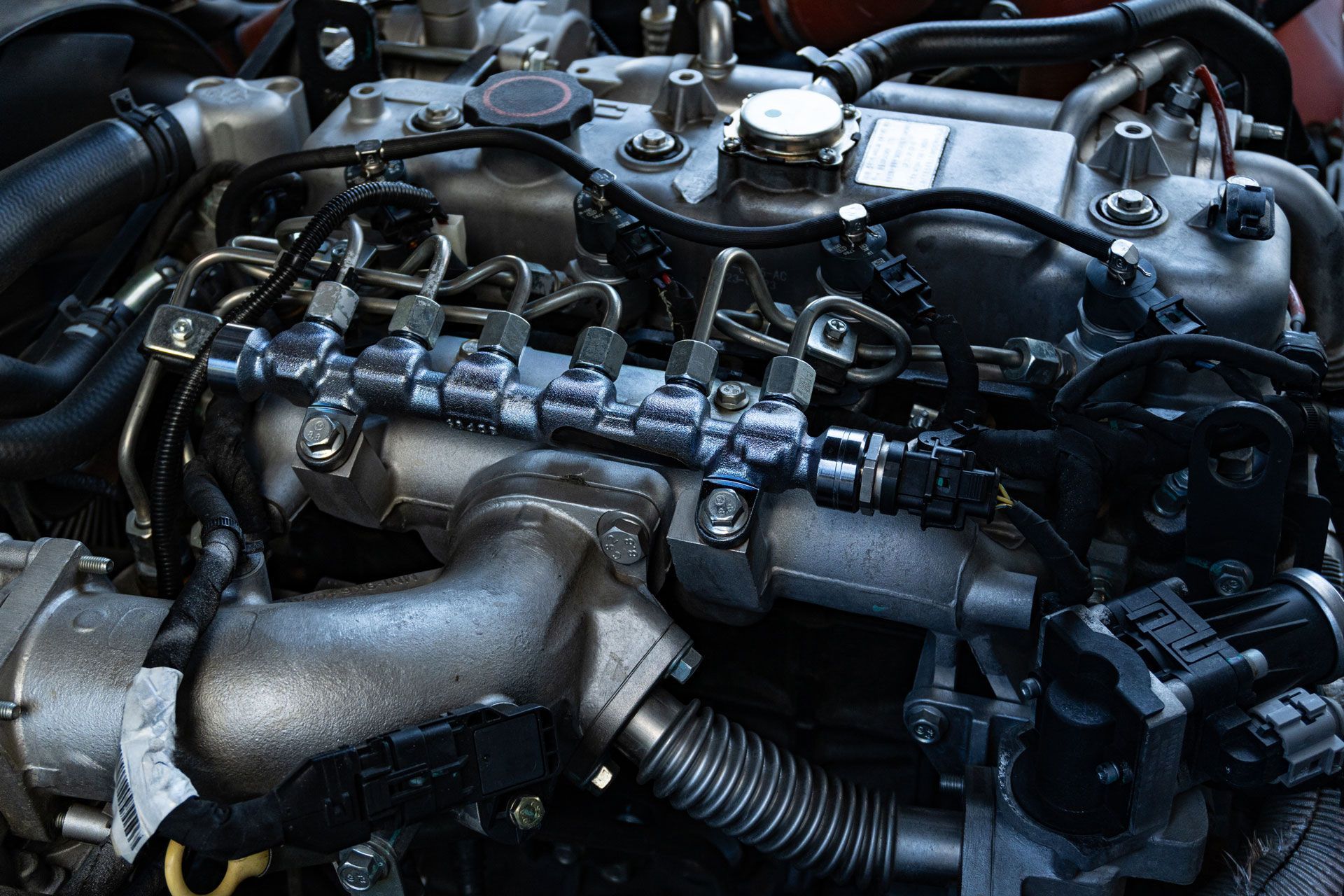
Engine Maintenance Intervals and Long-Term Operation
Engine diagnostics and repair are often part of ongoing vehicle maintenance aimed at preserving long-term engine health. Over time, engines experience gradual wear due to heat, pressure, and continuous operation.
Regular diagnostic checks help identify early signs of system degradation before they develop into more serious mechanical failures. Monitoring engine performance, sensor output, and combustion efficiency supports consistent operation and reduces the risk of unexpected breakdowns.
Maintaining proper engine function ensures that all mechanical and electronic systems operate in balance, supporting reliable performance during everyday driving in Red Bank, MS.